Kilimanjaro best operator
Kilimanjaro best operator
Calling any one company the “best” Kilimanjaro operator sounds simple, but the right choice depends on what you value most: a slower itinerary for acclimatization, strong medical protocols, smaller groups, extra comfort at camp, or a specific route. What should be simple is this: you can screen operators in a consistent, safety-first way and quickly spot the ones worth trusting with your summit bid.
This guide lays out what to look for, what to ask, and how to compare quotes so you can book with confidence, whether you are a first-time trekker or a seasoned hiker.
What “best” really means on Kilimanjaro
Kilimanjaro is not technical for most routes, yet it is serious. Altitude affects everyone differently, weather can shift fast, and summit night pushes fatigue, cold, and judgment all at once. The “best” operator is the one that reliably manages these realities with trained staff, solid systems, and the right pacing.
A strong operator is also a strong communicator. They set expectations early, explain what is included, tell you what costs extra, and help you arrive prepared instead of just excited.
Start with the non-negotiables: legal compliance and safety systems
Before you compare routes or prices, confirm the basics. A legitimate Kilimanjaro operator should run climbs inside the national park system, work with properly registered teams, and follow park rules around camps, waste, and porter welfare.
After you confirm they can legally operate, shift to safety. The safest teams do not rely on luck or “toughing it out.” They monitor health daily, keep plans flexible, and have a clear response path if someone gets worse at altitude.
A helpful way to assess this is to ask for specifics, not slogans. Listen for calm, practical answers.
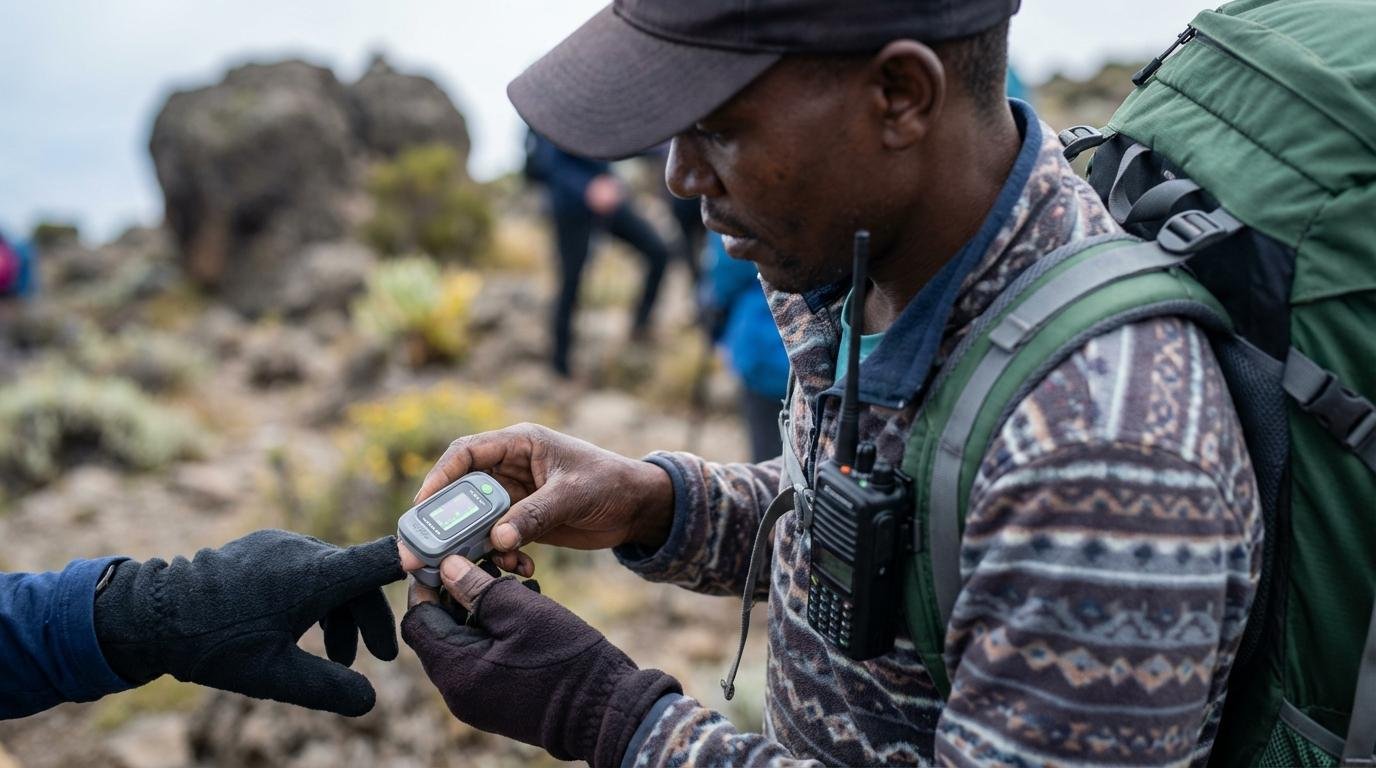
- Daily health monitoring: pulse oximeter readings, symptom check, and honest decisions about turning back
- Emergency capability: oxygen available, a guide trained to use it, and a clear evacuation plan
- Communication: reliable way to reach support outside the park when needed
- Staff training: licensed local guides, first aid training, and documented procedures
- Group management: pacing, rest breaks, and guide-to-climber ratios that prevent people from being left behind
If an operator dismisses altitude concerns, jokes about “weak lungs,” or cannot explain their evacuation process in plain language, that is a sign to move on.
Acclimatization is your biggest success factor, so examine the itinerary
Most summit attempts fail due to altitude, not fitness. That is why itinerary design matters more than nearly anything else. Longer itineraries generally give your body more time to adapt and allow guides to manage pace and symptoms. This is also why many safety-focused operators recommend routes and schedules that prioritize acclimatization rather than speed.
When comparing operators, look beyond the route name and ask:
- How many days are on the mountain, not counting arrival and departure days?
- Is there an acclimatization hike built into the plan?
- Are you attempting the summit after a reasonable progression, or are the camps spaced aggressively?
The “best” itinerary is the one that balances time, budget, and your personal risk tolerance, while still giving acclimatization the respect it deserves.
A practical way to compare operators side by side
Most quotes look similar until you place the details next to each other. Use a simple grid and fill it in from each operator’s written proposal. If they hesitate to put details in writing, treat that as data too.
| Comparison item | What good looks like | What to confirm before you pay |
|---|---|---|
| Itinerary length | 7 to 10 days on the mountain for many trekkers | Total days trekking, plus any acclimatization hikes |
| Guide credentials | Licensed local guides with current training | What training, how often refreshed, who leads summit night |
| Health checks | Twice-daily check-ins and symptom tracking | What is recorded, and what triggers descent |
| Oxygen and first aid | Oxygen available with trained use, stocked medical kit | Is oxygen included in the price, who carries it |
| Evacuation plan | Clear steps, local coordination, realistic timing | How evacuations happen on the chosen route |
| Group size and ratios | Manageable group sizes with enough staff | Guide-to-climber ratio, porter and cook support |
| Accommodation before/after | Clean, reliable hotels in Moshi or Arusha | How many nights included, meals, and transfers |
| Gear and tents | Weather-appropriate tents and sleeping systems | Tent model/quality, sleeping mat, dining tent if provided |
| Park fees and taxes | Included and itemized | What is included vs paid on arrival |
| Food and water | Safe water system, enough calories, dietary options | Water treatment method, allergy handling |
| Payments and refund policy | Clear schedule, written terms | Deposit, balance timing, rescheduling rules |
| References | Recent, verifiable reviews across platforms | How the operator handles complaints and changes |
Print this table or paste it into a notes app and fill it out during calls. It turns “best” into something measurable.
The guide team matters as much as the route
On Kilimanjaro, your experience is shaped by the people around you. A strong operator hires and retains guides who can pace a group patiently, notice early symptoms, and keep morale stable without pressuring people into risky decisions.
Ask how the operator structures the team. Is there a lead guide plus assistant guides? Who decides when someone must descend? What happens if the group splits by pace? You want a plan that keeps everyone supported, including the slowest walker.
You can also ask about language comfort and communication style. Clear explanations reduce anxiety and help you speak up early if something feels off.
Comfort is not luxury, it is risk management
Comfort on the mountain is often treated like a “nice to have.” In reality, it affects sleep, appetite, warmth, and recovery. Better recovery supports acclimatization and reduces mistakes on summit night.
Comfort also includes predictable logistics: on-time pickups, a calm check-in process, consistent mealtimes, and a camp setup that protects you from wind and rain. None of this is flashy, but it adds up.
If you are comparing operators, ask about tent quality, sleeping pads, dining shelter, and how they handle wet gear. Also ask how they manage hygiene and handwashing at camp. Gastrointestinal illness can end a climb quickly.
Price: what you are actually paying for
Kilimanjaro is not the place to chase the lowest number. Low pricing often shows up later as thin staffing, rushed itineraries, lower-quality equipment, or cost-cutting around porter welfare.
A fair operator should be transparent about where your money goes. Park fees are significant and mostly fixed. Beyond that, you are paying for guide staffing, food, camping systems, transport, and the planning support that happens before you ever land at Kilimanjaro International Airport.
If flexible payments are important, some operators offer installment plans. A 0% interest installment option can make a safer, longer itinerary more accessible without forcing you into a rushed climb just to fit a budget.
Prep support before you fly is part of great guiding
The climb starts at home. The better operators help you prepare with clear packing guidance, training advice, and realistic expectations about summit night. They also help you plan the “boring” details: arrival timing, baggage planning, hotel nights, and how to handle missing or delayed gear.
You can test this early by seeing how quickly and clearly they answer questions. Do they give copy-paste replies, or do they address your situation? Do they help you choose a route based on experience, not just availability?
Responsible operations and local leadership
Kilimanjaro is a Tanzanian mountain with a Tanzanian workforce. Many travelers prefer an operator that is locally led and invests in guide development, fair staff treatment, and ethical porter practices.
You do not need perfect language or marketing to run an excellent climb. You need professionalism, training, and respect for the team that makes your summit possible.
If you care about this, ask how porters are supported, how loads are managed, and what standards the company follows around pay, meals, and equipment for staff.
Questions to ask on a booking call
A short call can reveal a lot. After you have read the itinerary, ask direct questions and listen for calm, specific answers.
- Who makes medical decisions on the mountain: lead guide, a medical lead, or a base coordinator
- What happens if I have altitude symptoms: the step-by-step process from mild symptoms to descent
- How do you structure summit night: start time, pacing plan, guide support, and turnaround rules
- What is included in the price: park fees, hotel nights, transfers, tips guidance, and rental gear
- How do you handle changes: date shifts, illness before departure, and weather-related adjustments
You are not looking for perfection. You are looking for clarity and a safety culture that feels consistent.
What a safety-and-comfort-first operator typically provides
Some operators, including locally led teams like Beyonds Average, build their climbs around longer itineraries and traveler wellbeing. The details vary by route, yet the operating philosophy is consistent: reduce altitude risk with smarter pacing, support the climber with solid logistics, and keep decision-making grounded in health checks rather than hype.
Common features you will see from this style of operator include licensed local guides, structured acclimatization, quality tents and camp systems, dependable transport between the airport, Moshi or Arusha, and the trailhead, plus support with planning and gear selection. Many also offer help thinking through travel insurance options and emergency coverage, since evacuation logistics and insurance terms can be confusing when you are new to high altitude trekking.
If you want to shortlist operators quickly, focus on written itineraries, medical protocols, staff structure, and what is actually included in the price. When those pieces are strong, you are much closer to finding the operator that is “best” for you, not just best on a list.
All Categories
Recent Posts
best time to climb kilimanjaro
Kilimanjaro best operator