
which route is the best up Kilimanjaro?
which route is the best up Kilimanjaro?
Choosing the best route up Mount Kilimanjaro is less about picking the “most famous” trail and more about picking the route that gives your body time to adapt. Kilimanjaro is a non-technical trek for most climbers, yet altitude makes it serious. The right route can feel steady and supportive, while the wrong route can feel rushed, cold, and discouraging even if you are fit.
“Best” also depends on what you value. Some travelers want the highest summit chances. Others want quieter camps, drier weather, or hut sleeping instead of tents. A good operator will help you match the best route to climb Kilimanjaro to your timeline, comfort needs, and altitude risk profile, then run that route with a conservative pace.
What “best” means on Kilimanjaro
Most route debates are really debates about the ascent and acclimatization. Kilimanjaro rises to 19,341 feet (5,895 m), and the biggest reason people turn around is altitude illness, not leg strength. Routes that add an extra night or two at moderate elevation usually deliver a better experience and a higher chance of reaching Uhuru Peak.
When you compare routes, keep these ideas in the foreground: how fast you sleep higher, whether the itinerary includes “walk high, sleep low,” and how punishing summit night becomes after several short or steep days.
A route can be scenic and still be a poor fit if it compresses the climb into too few days. A route on Kilimanjaro can be less “exciting” on paper and still be the smartest choice if it keeps you dry in the rainy season and gives you extra time to acclimatize.
The two front-runners for most climbers: Lemosho and Machame
If you want a strong blend of scenery, acclimatization, and overall comfort while finding the best route to climb Kilimanjaro, the conversation usually narrows quickly to the Lemosho route and Machame, ideally on a longer itinerary (think 7 to 9 days on the mountain, not the shortest versions).
Lemosho approaches from the west with a more gradual build-up, then joins the southern circuit for the shared summit approach. Machame comes in from the southwest and is famous for varied terrain and a classic “up and down” profile that can support acclimatization when it is not rushed, making the Machame route a popular choice for climbers.
Most trekkers do well when the plan includes a calm first few days, a sensible acclimatization day or long “high point,” and a well-managed summit push with guidance from an experienced climbing guide.
After you look at maps and photos, these practical differences are what tend to matter most:
- Quiet early camps
- Big scenery days
- Longer itineraries that slow the altitude gain
- Lemosho: More gradual start and often less crowded early on
- Machame: Strong acclimatization pattern but can feel busier on popular dates
When Rongai becomes the smart choice
Rongai approaches from the north and northeast side of the mountain, closer to the Kenyan border. It is often described as gentler underfoot, with fewer steep scrambles, and it commonly feels calmer in terms of trail traffic.
Rongai also earns extra points when weather is a concern, much like the Machame route known for its stunning scenery and strong acclimatization rhythm. The northern side can be drier when the southern routes are getting soaked, so travelers climbing during shoulder seasons or rainy periods often appreciate that advantage.
If you are prioritizing a quieter climb up Kilimanjaro, a more gradual grade, and a route that can be a good match for wetter months, Rongai deserves a serious look, but don’t overlook the Lemosho route for its scenic beauty and well-paced acclimatization. It is still high altitude and summit night is still hard, but many people find the day-to-day hiking more forgiving.
Why Marangu can feel easier but often is not
Marangu is the only common route with hut accommodations. That appeals to many first-timers, especially anyone nervous about camping or anyone who sleeps better with a roof overhead.
The catch is the itinerary design. Marangu is frequently sold in shorter versions, and that can push your sleeping altitude up quickly. Many climbers who choose Marangu for “ease” end up dealing with a tougher acclimatization profile than they expected.
Marangu is not a bad route. It just needs realistic expectations and, ideally, enough days to allow an acclimatization buffer. If huts matter to you, ask directly about adding time or building in a deliberate acclimatization day.
Quick comparison of popular Kilimanjaro routes
Use this table as a starting point, then confirm the exact day-by-day itinerary with your operator. On Kilimanjaro, the same route name can feel very different depending on whether you are doing the shortest version or a longer, acclimatization-forward plan.
| Route | Typical trip style | Best for | Trade-offs | Common comfort notes |
|---|---|---|---|---|
| Lemosho (8 to 9 days) | Camping | Highest all-around fit for many climbers: acclimatization, scenery, steadier start | Costs more due to extra days and park fees | Quieter early camps, gradual build, supportive pacing when run well |
| Machame (7 to 8 days) | Camping | Great scenery and a strong acclimatization rhythm | Can be crowded in peak season, feels punchier day to day | Barranco Wall is a highlight for many, also a mental hurdle for some |
| Rongai (7 days) | Camping | Drier option in wet months, quieter trail, gentler grade | Less rainforest time, different scenery tone | Often feels less hectic, good if you value space and steadiness |
| Marangu (6 days plus acclimatization if possible) | Huts | Travelers who strongly prefer huts | Short versions tend to be rushed | Roof and bunk beds can feel reassuring, yet altitude still rules the day |
| Northern Circuit (9 days) | Camping | Maximum time for acclimatization and solitude | Longest itinerary, more time off work | Excellent if you want an unhurried climb and a quieter loop |
| Umbwe (not for most first-timers) | Camping | Very experienced trekkers who want a steep, direct challenge | Tough acclimatization profile, demanding early days | Chosen for difficulty, not for comfort or first-time success odds |
Match the route to your real constraints
A route that fits your calendar, sleep preferences, and season, along with being considered the best route to climb Kilimanjaro, will usually beat a route you chose only because it is popular. Many summit attempts are lost before the climb even starts, simply because the itinerary is too compressed without consulting a climbing guide.
If you are deciding between two good options, choose the one that gives you more time on the mountain to ensure you pick the best route to climb Kilimanjaro. One extra night can change your whole experience, from appetite and sleep quality to mood, pace, and ease of ascent on summit night.
These are the questions that tend to sort the decision quickly:
- Time you can truly spare: If you can do 8 to 9 days on the mountain, Lemosho or the Northern Circuit are hard to beat for acclimatization and are often considered the best route to climb Kilimanjaro for those seeking a balanced experience.
- Season and rainfall: If you expect wetter conditions, Rongai (and sometimes the Northern Circuit approach) may keep you drier than the southern routes.
- Camping vs huts: If hut sleeping is a top priority, Marangu can work well, but ask about adding acclimatization time.
- Crowds and camp atmosphere: The Machame Route is iconic and social in peak months, while Lemosho and Rongai often feel quieter early on.
- Your altitude track record: If you have struggled above 10,000 to 12,000 feet before, stack the deck with a longer itinerary.
What a safety-first itinerary looks like (no matter the route)
Route choice matters, with options like the Lemosho Route or the iconic Kilimanjaro climb, but execution matters too. Two teams can walk the same trail and have very different outcomes depending on pacing, daily health checks, hydration coaching, and the willingness to turn around early if someone is not acclimatizing well.
A well-supported climb should feel calm and predictable: steady starts, unrushed breaks, warm meals, and clear communication about symptoms and expectations.
Here are practical signs that your plan is built around wellbeing:
- Slow, consistent walking pace
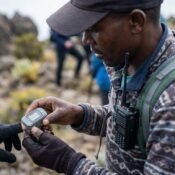
- Daily symptom check-ins and oxygen saturation monitoring
- Clear turnaround rules for concerning symptoms
- A realistic summit-day schedule, with time to rest before the night push
- Warm sleep systems and weather-appropriate shelter
- Crew support that makes it easier to eat, drink, and recover
How Beyonds Average typically guides route selection
As a Tanzania-based operator focused on safety and comfort, Beyonds Average generally steers most first-time climbers toward longer itineraries on routes with stronger acclimatization profiles. For many travelers, that means an 8-day Lemosho or a well-paced Machame, with careful attention to sleep elevation and recovery.
The goal is not to “beat” the mountain. The goal is to arrive at summit night feeling steady, warm, hydrated, and confident in your pace during your ascent, then to make decisions based on how your body is responding. That approach is also why longer routes are often recommended even for fit hikers.
Planning time and budget is part of safety planning. If cost is the main pressure pushing you toward a shorter route, it can help to spread payments out. Some operators, including Beyonds Average, offer a 0% interest installment plan (up to 18 installments), which can make it easier to choose the itinerary length you actually want instead of the fastest option.
If you tell your climbing guide team your priorities up front (highest summit odds, fewer crowds, hut sleeping, rainy-season timing, or extra comfort), a good recommendation should sound specific: which route, how many days, and what the day-by-day altitude plan looks like, helping to determine the best route to climb Kilimanjaro. That single conversation often reveals the “best” route for you more clearly than any generic ranking.
All Categories
Recent Posts

best time to climb kilimanjaro
Kilimanjaro best operator