Can anyone climb Mount Kilimanjaro?
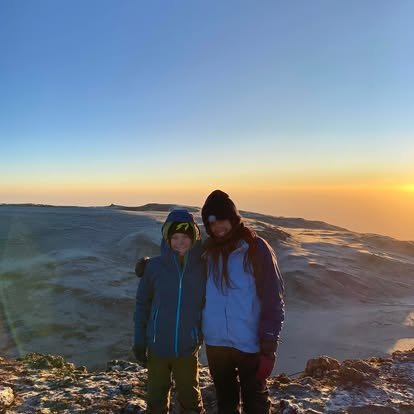
Can anyone climb Mount Kilimanjaro?
Physical Requirements for Climbing
Minimum Fitness Levels
Climbing Mount Kilimanjaro is no stroll in the park. While you don’t need to be a marathon runner, having a decent fitness level is essential. A mix of aerobic exercises—think running, cycling, or even dancing like no one’s watching—coupled with strength training should get you in climbing shape. Ideally, you should be comfortable with long hikes (4-8 hours per day) and be able to walk uphill without gasping for breath every five minutes. If you can ascend a flight of stairs without questioning your life choices, you’re on the right track!
Understanding Altitude Sickness
Altitude sickness, or acute mountain sickness (AMS), is the unwelcome party crasher when you ascend too quickly. As you climb, the air pressure and oxygen levels drop, and your body might not take kindly to the changes. Symptoms can range from mild (headaches and fatigue) to severe (nausea and confusion). To minimize your risk, it’s crucial to ascend gradually and listen to your body. If your legs start feeling like lead and your head feels like a jackhammer, it might be time to take a break or descend. Remember, it’s not a race—unless you’re racing against altitude sickness!
Age and Experience Considerations
Age Limitations and Recommendations
While there’s no official age limit for climbing Mount Kilimanjaro, most guides recommend that climbers be at least 10 years old. The mountain welcomes seasoned mountaineers and eager young adventurers alike, but the older you are, the more you should consider your health and fitness. If you’re in your golden years, make sure you’re physically prepared and consult your doctor; after all, we want your adventure to be memorable for the right reasons!
Experience Levels: Beginner to Advanced
Kilimanjaro is often called the “perfect” mountain for novice climbers, mainly because it doesn’t require special technical climbing skills. Most routes are accessible to beginners, provided you’re reasonably fit and mentally prepared for the challenge. However, if you’re an experienced climber looking for a thrill, perhaps tackle it in winter or take the less popular routes for a more rugged experience. Either way, a little hiking experience goes a long way in boosting your confidence, and it never hurts to have a knack for navigating treacherous paths—because even the best of us can trip over our own shoelaces!
Health and Medical Preparations
Pre-climb Health Assessments
Before you pack your bags and embark on this grand adventure, it’s wise to have a health assessment. A check-up with your doctor can help identify health issues that could be exacerbated by high altitude, making sure your trip doesn’t turn into a medical drama. If you have underlying conditions such as asthma or heart disease, it’s crucial to have a candid chat with your physician; they may provide guidance on whether you should tackle Kilimanjaro or opt for a more leisurely holiday at a beach resort.
Vaccinations and Medications
While Kilimanjaro itself doesn’t require any specific vaccinations, travel to Tanzania may have you rolling up your sleeves for a few shots. Common recommendations include vaccinations for Hepatitis A, Typhoid, and Yellow Fever. Additionally, packing some altitude sickness medication like Diamox could be a lifesaver—literally! Always consult with a travel health clinic to ensure you’re well-prepared and as ready as ever to stomp your way up that iconic peak. Happy climbing, adventurous souls!
Training and Fitness Regimens
Cardiovascular and Strength Training
Getting your body ready for Kilimanjaro is like preparing for a marathon, but with less running and more breathtaking views. Cardiovascular fitness is key, so mix in activities like hiking, jogging, cycling, or even dancing like nobody’s watching—whatever gets your heart pumping. Aim for at least 30 minutes of cardio, 3-5 times a week. As for strength training, focus on your legs, core, and back. Squats, lunges, and deadlifts will help get those muscles in shape for the uphill grind. And don’t forget about flexibility—yoga can be your best friend in keeping those muscles limber!
Climbing Practice and Simulation
If you want to prepare for Kilimanjaro, nothing beats practice—and that means hitting the hills! Look for local trails that mimic the elevation and terrain you’ll face. If you can find a staircase or a steep hill, give it a go; consider it your own mini-Kilimanjaro. Simulating high-altitude conditions is also important, so if you can find a high peak nearby, that’s fantastic. Plus, don’t shy away from backpacking trips as they add weight to your back, closely resembling the trek ahead. Just remember to pack snacks; after all, fuel is essential for any adventure!
Climbing Routes and Their Challenges
Popular Routes: Machame, Marangu, Lemosho
Kilimanjaro isn’t a one-size-fits-all mountain, and picking the right route can feel like choosing your favorite ice cream flavor. The Machame route is beloved for its stunning scenery and is often dubbed the “Whiskey Route” (for the adventurous drinkers among us). Marangu, also known as the “Coca-Cola Route,” is the most popular and has hut accommodations—hello, comfort! Lemosho is the hidden gem—less crowded and perfect for those looking for a more tranquil experience. Choose wisely, and remember: the journey is just as important as the destination!
Difficulty Levels of Each Route
The difficulty of each route can be summed up in a nutshell: if you’re looking for a challenge, Machame is your friend; if you prefer an easier trek with more comforts, Marangu is your pal. Machame and Lemosho have higher success rates due to their longer itineraries that allow for better acclimatization (a fancy way of saying “getting used to thin air”). Marangu is shorter and more straightforward but can lead to quicker ascents—just remember that speeding isn’t always the best strategy when it comes to altitude! Each route has its unique spice, so consider your comfort level and experience before choosing.
Support Systems and Guided Tours
The Role of Guides and Porters
Climbing Kilimanjaro isn’t a solo mission, folks. Guides and porters are the unsung heroes of your Kilimanjaro adventure, ensuring you have everything from navigation to the perfect cup of coffee (seriously, they are magicians). The guides are trained to help you acclimatize and handle any hiccups that may arise, while porters carry your gear, leaving you to focus on putting one foot in front of the other. So tip generously—they’re the backbone of your expedition and often make the journey more memorable!
Choosing the Right Tour Company
Selecting a tour company feels a bit like online dating—take your time, read reviews, and see who fits your vibe. Look for companies with a good reputation, transparent pricing (no hidden fees, please), and a commitment to responsible tourism. Ask about their safety protocols and how they support their guides and porters. A company that prioritizes the well-being of its staff is usually a reflection of how they treat their trekkers, too. Remember, you want to enjoy this journey—not be stuck with the climbing equivalent of a bad date!
Safety Measures and Risk Management
Emergency Protocols and Communication
When you’re scaling a mountain, it’s vital to have a safety plan in place. Most reputable tour companies have established emergency protocols, which may include evacuation plans and first aid training for guides. A good phone signal is as elusive as the mythical unicorn on Kilimanjaro, so be prepared with a satellite phone if you’re venturing off the beaten trail. Keeping your loved ones informed of your climbing schedule is also a smart move—safety first, folks!
Understanding Weather Risks and Precautions
Weather on Kilimanjaro can shift faster than you can say “climate change,” so packing layers is a must. From sunny days to snow storms, it’s like Mother Nature couldn’t make up her mind. Always check forecasts before your trek, and be prepared for the worst—and by that, I mean having waterproof gear, warm clothing, and plenty of snacks (you can’t climb on an empty stomach!). Understanding the risks associated with altitude sickness and knowing when to turn back can be the difference between a killer view and a killer headache. Stay smart, stay safe, and enjoy the climb!In conclusion, climbing Mount Kilimanjaro is an achievable goal for many, provided they prepare adequately and take the necessary precautions. By understanding the physical, mental, and logistical requirements, as well as seeking the right support, aspiring climbers can embark on this unforgettable journey. Whether you’re a seasoned trekker or a first-time adventurer, the experience of reaching the summit is not only a personal triumph but also a chance to witness the breathtaking beauty of Tanzania’s landscape. With determination and proper planning, anyone with the desire can conquer this iconic mountain.
Frequently Asked Questions
What is the minimum age to climb Mount Kilimanjaro?
The minimum age to climb Mount Kilimanjaro is typically 10 years, though some tour operators may have different age restrictions. It’s essential to check with your chosen guide service for their specific policies.
How physically fit do I need to be to climb Mount Kilimanjaro?
While climbing Kilimanjaro does not require advanced climbing skills, a good level of physical fitness is necessary. Regular aerobic exercises, strength training, and hiking practice are recommended to prepare for the trek.
What are the most popular routes to climb Mount Kilimanjaro?
The most popular routes include Machame, Marangu, and Lemosho. Each route offers different levels of difficulty, scenic views, and varying durations, catering to different preferences and fitness levels.
Can I climb Mount Kilimanjaro safely on my own?
While it is technically possible to climb Kilimanjaro independently, it is highly recommended to join a guided tour. Experienced guides provide essential support, knowledge of the terrain, and ensure safety throughout the climb.
All Categories
Recent Posts
best time to climb kilimanjaro
Kilimanjaro best operator