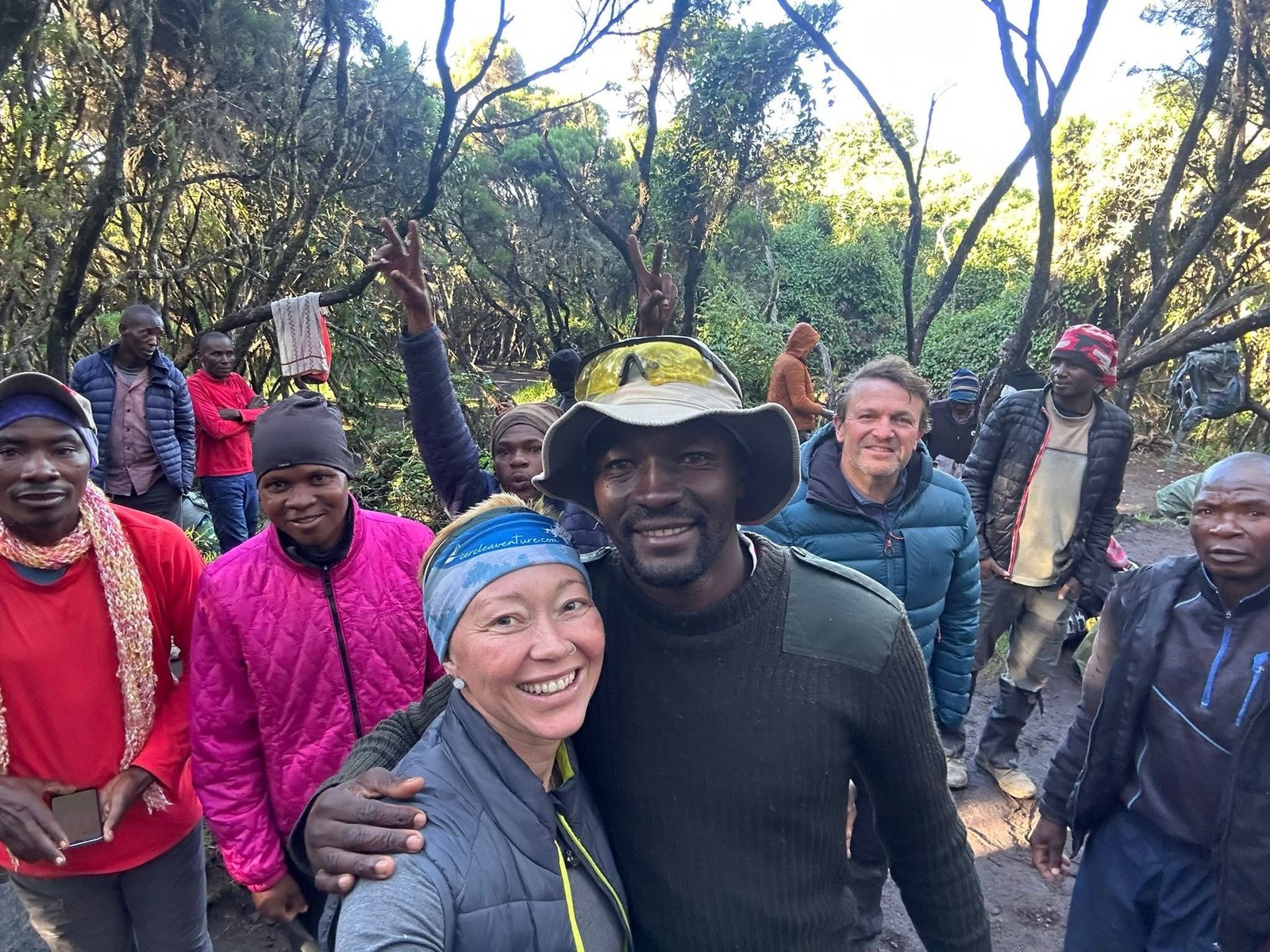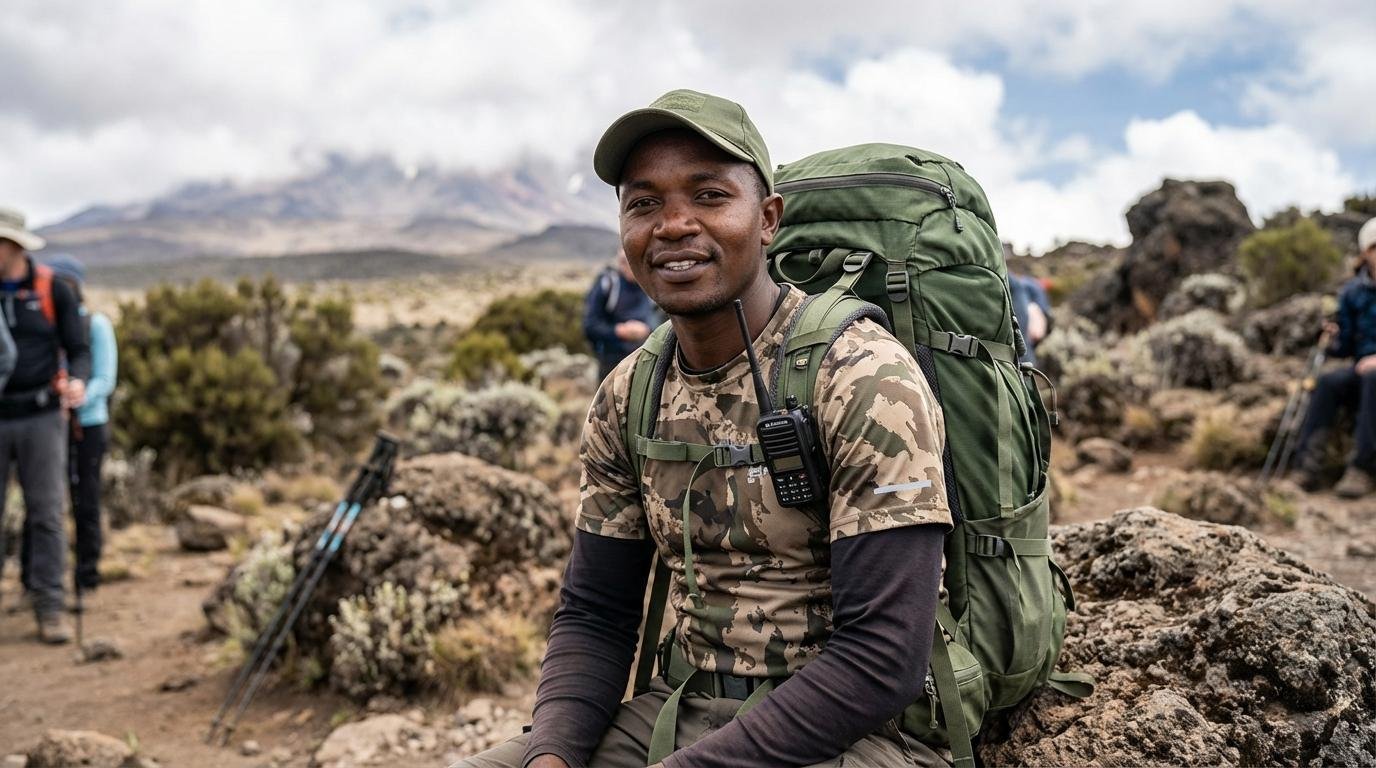



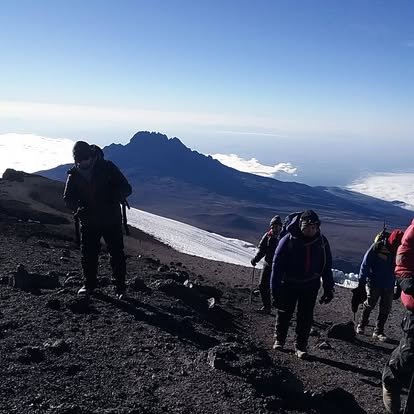
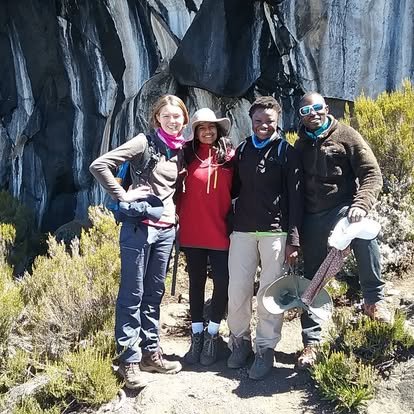
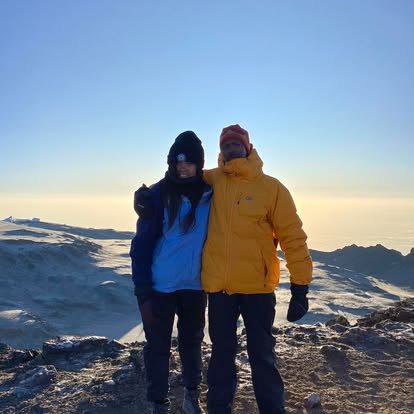
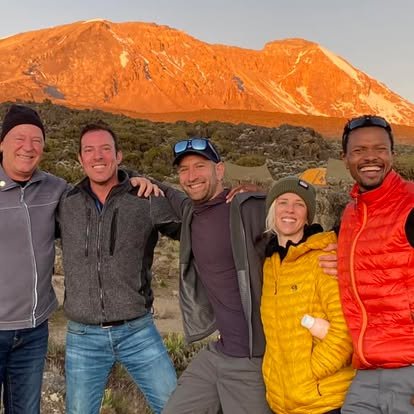
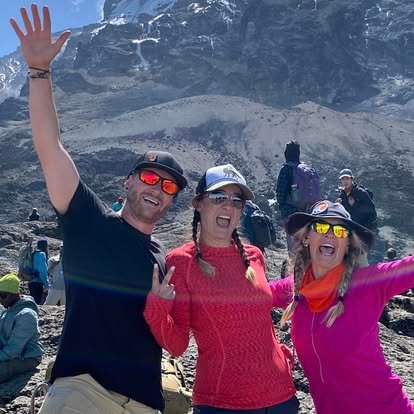




Kilimanjaro’s ecosystem is not just about eye-popping views and Instagram selfies; it plays a crucial role in supporting local communities and wildlife alike. The mountain’s varied habitats provide essential resources, such as water and climate regulation, not only for Tanzania but also for neighboring countries. Plus, with its unique biodiversity, it serves as a critical area for ecological research and conservation efforts. Think of it as nature’s very own United Nations—bringing everyone together under a giant, protective blanket of biodiversity.
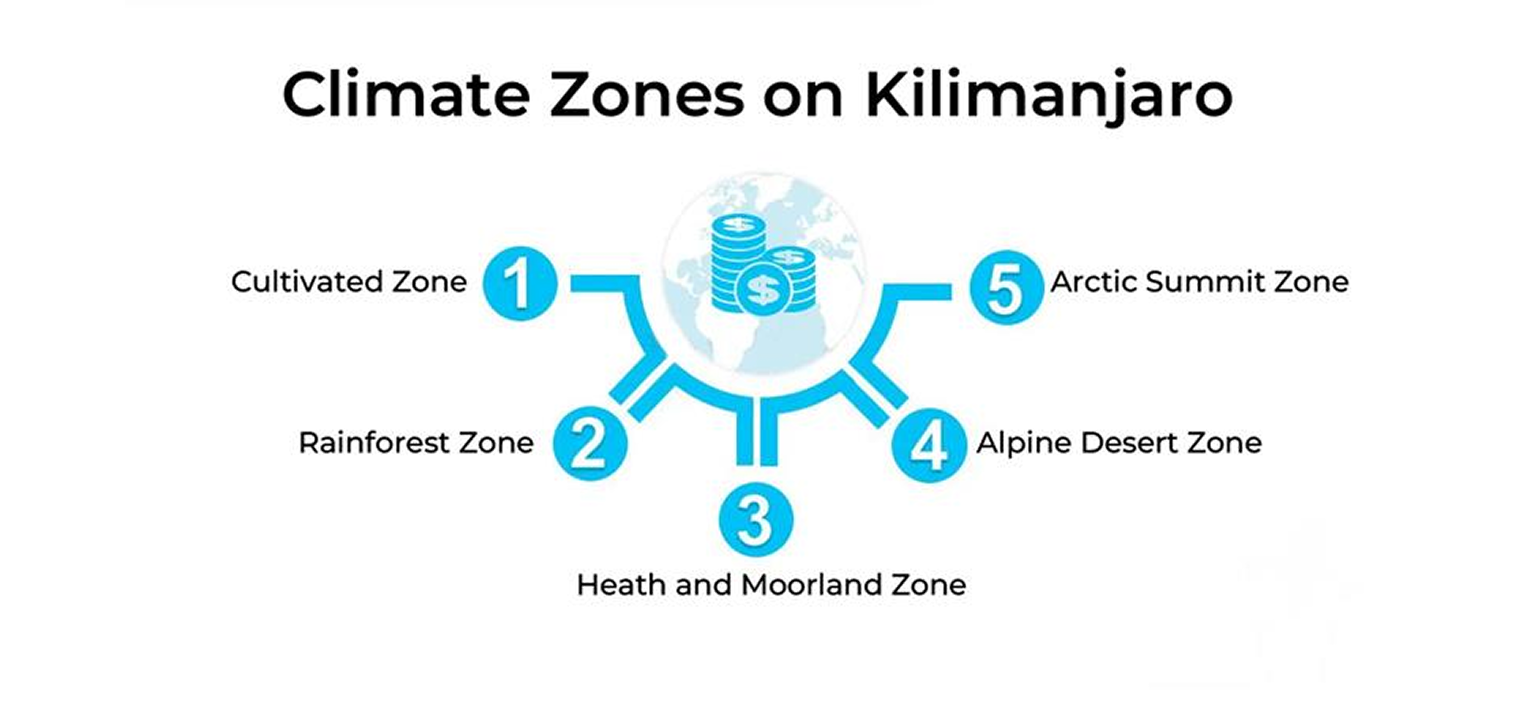
Lowland Forests
Heath and Moorland Zone
Alpine Desert Zone
Arctic Summit Zone
In an ever-changing world marked by fluctuating seasons and escalating climate challenges, the resilience of animal populations is a remarkable testament to nature’s adaptability. As various species confront the trials posed by seasonal changes—ranging from food scarcity and temperature extremes to altered breeding patterns—they employ a fascinating array of mechanisms to survive and thrive. Understanding these adaptations not only sheds light on the intricate relationships within ecosystems but also emphasizes the importance of conservation efforts in preserving biodiversity. This article delves into the various strategies animals use to navigate seasonal shifts, examines the impact of climate change on their resilience, and highlights the critical role of human intervention in safeguarding the future of these populations.
The Impact of Climate Change
Effects on Vegetation and Wildlife Climate change has donned a villain’s cape for Kilimanjaro, affecting its delicate ecosystems. As temperatures rise and unpredictable weather patterns prevail, the lush vegetation is experiencing shifts that leave native flora scrambling to adapt. Many plant species are at risk of extinction if they can’t make a run for it to cooler altitudes. This, in turn, has a cascading effect on wildlife. Some animals might find themselves with fewer food options while others could lose their natural habitats entirely. So, it’s not just our beaches that are melting; entire ecosystems are facing unprecedented challenges.
Importance of Kilimanjaro’s Ecosystem for Local Communities
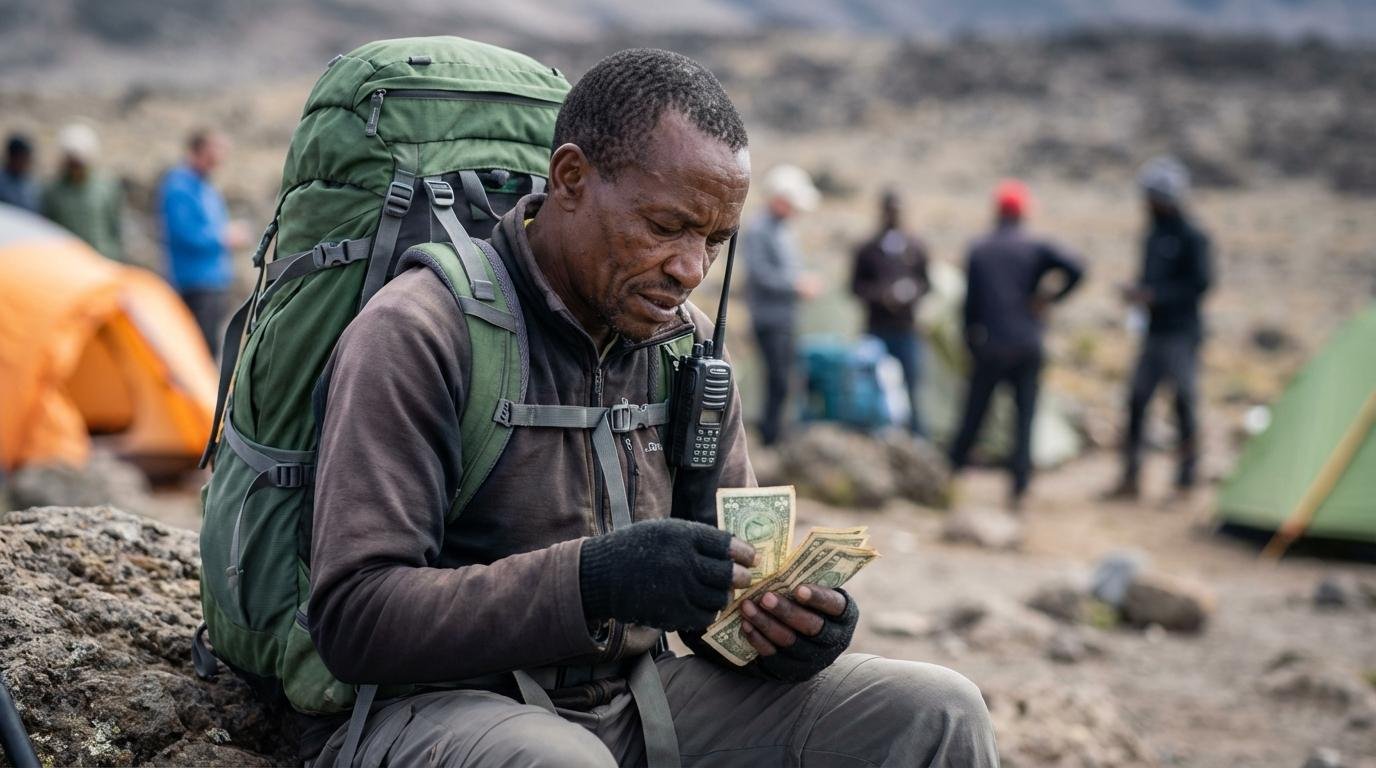
Economic Benefits and Ecotourism Kilimanjaro isn’t just a pretty face—it’s a cash cow for local economies! Ecotourism is booming, bringing in much-needed funds while showcasing the breathtaking beauty of the mountain. Adventures from hiking to wildlife safaris attract visitors eager to explore the rich biodiversity. Revenue generated from tourism supports local businesses, creates jobs, and funds conservation efforts—all while letting travelers bask in nature’s splendor. It’s like a round of applause for Mother Earth, and everyone gets to join in!
Conservation Initiatives and Strategies
Threats to Biodiversity
The good news is that there are heroes among us! Various conservation initiatives are soaring to the rescue like your favorite comic book character. Local and international organizations are working hand in hand to promote sustainable practices, reforest areas, and combat poaching. Programs focused on education and community engagement aim to empower locals to become stewards of their landscapes. Eco-tours, alongside wildlife conservation, are attracting attention and funding, proving that the mountain can be both a tourist hotspot and a sanctuary for its inhabitants. Who knew saving the planet could be such a rewarding endeavor?
Unique Plant Species
Despite its stunning beauty, Kilimanjaro’s ecosystem faces formidable challenges that could make Mother Nature shed a tear. Deforestation for agriculture, poaching, and climate change are the usual suspects in this biodiversity crime drama. The charming slopes of Kilimanjaro are being stripped of their dense forests, which are vital for carbon storage and habitat provision. Additionally, the melting glaciers on the mountain are painting a rather bleak picture for the future of its unique flora and fauna. If this bounty of biodiversity is stolen away, it’s not just a blow to nature; local communities and economies will feel the sting too.
Wildlife Diversity and Endemism
The wildlife on Kilimanjaro creates a biodiverse tapestry that delights nature lovers and casual hikers alike. You’ll encounter an array of animals, from playful monkeys to elusive antelopes. Many species are endemic, meaning they exist nowhere else on Earth. Just try not to get too star-struck if you spot the rare Abbot’s duiker or the Kilimanjaro bushbuck; they’re not used to paparazzi! Kilimanjaro’s rich ecosystem is a living testament to nature’s creativity and resilience, reminding us of the importance of conservation while we’re busy working on our summit selfies.# Kilimanjaro Ecosystem
Threats to Biodiversity
Despite its stunning beauty, Kilimanjaro’s ecosystem faces formidable challenges that could make Mother Nature shed a tear. Deforestation for agriculture, poaching, and climate change are the usual suspects in this biodiversity crime drama. The charming slopes of Kilimanjaro are being stripped of their dense forests, which are vital for carbon storage and habitat provision. Additionally, the melting glaciers on the mountain are painting a rather bleak picture for the future of its unique flora and fauna. If this bounty of biodiversity is stolen away, it’s not just a blow to nature; local communities and economies will feel the sting too
Adaptation and Mitigation Strategies
Fighting climate change requires more than just sprinkling some fairy dust over environmental problems. On Kilimanjaro, adaptation strategies include promoting agroforestry, which marries tree planting with farming to bolster soil health and biodiversity.
Additionally, projects focused on water conservation are crucial to ensure that local communities have access to the resources they need amidst changing climates. By investing in renewable energy and sustainable tourism, locals are crafting a future that respects nature while ensuring a livelihood. Embracing change is tough, but together we can face the winds of change like a true mountain champion!
Frequently Asked Questions (FAQ)
You need to come at least once in your life
The main vegetation zones on Kilimanjaro include lowland forests, montane forests, alpine moorland, and alpine desert. Each zone is characterized by distinct plant and animal species adapted to the varying climatic conditions.
Climate change affects Kilimanjaro’s ecosystem by altering temperature and precipitation patterns, which can lead to shifts in vegetation zones, loss of biodiversity, and increased vulnerability of species to extinction. These changes can also impact the livelihoods of local communities who rely on the mountain’s resources
Conservation efforts to protect Kilimanjaro’s ecosystem include initiatives to promote sustainable tourism, reforestation projects, and the establishment of protected areas. Local and international organizations work together to address threats such as poaching, deforestation, and climate change.
Kilimanjaro is crucial for local communities as it provides essential resources such as water, food, and materials for shelter. Additionally, it is a significant source of income through ecotourism, which helps support local economies and cultural practices.
Beyond its economic impact, Kilimanjaro is a cultural icon, deeply woven into the fabric of local communities. The mountain serves as a spiritual and cultural touchstone for the Chagga people, who have lived on its slopes for generations. Traditional practices, from farming techniques to rituals celebrating the mountain, highlight the importance of sustainable living in harmony with nature. By respecting and preserving these traditions, the local population not only keeps their heritage alive but also nurtures the land that nurtures them. After all, Kilimanjaro is more than just a mountain; it’s a living testament to resilience, tradition, and connection.In conclusion, Kilimanjaro’s ecosystem is a remarkable and vital part of our planet’s natural heritage, showcasing an incredible diversity of life that thrives in its unique climatic and geographic conditions. As we face increasing environmental challenges such as climate change and habitat degradation, it is essential to prioritize the conservation of this precious ecosystem. By raising awareness and promoting sustainable practices, we can help protect Kilimanjaro’s rich biodiversity for future generations. Ultimately, safeguarding this iconic mountain is not only about preserving its natural beauty but also about ensuring the well-being of the local communities that call it home.
Navigate the Globe with Confidence