Kilimanjaro Guide for Trek Planning Success
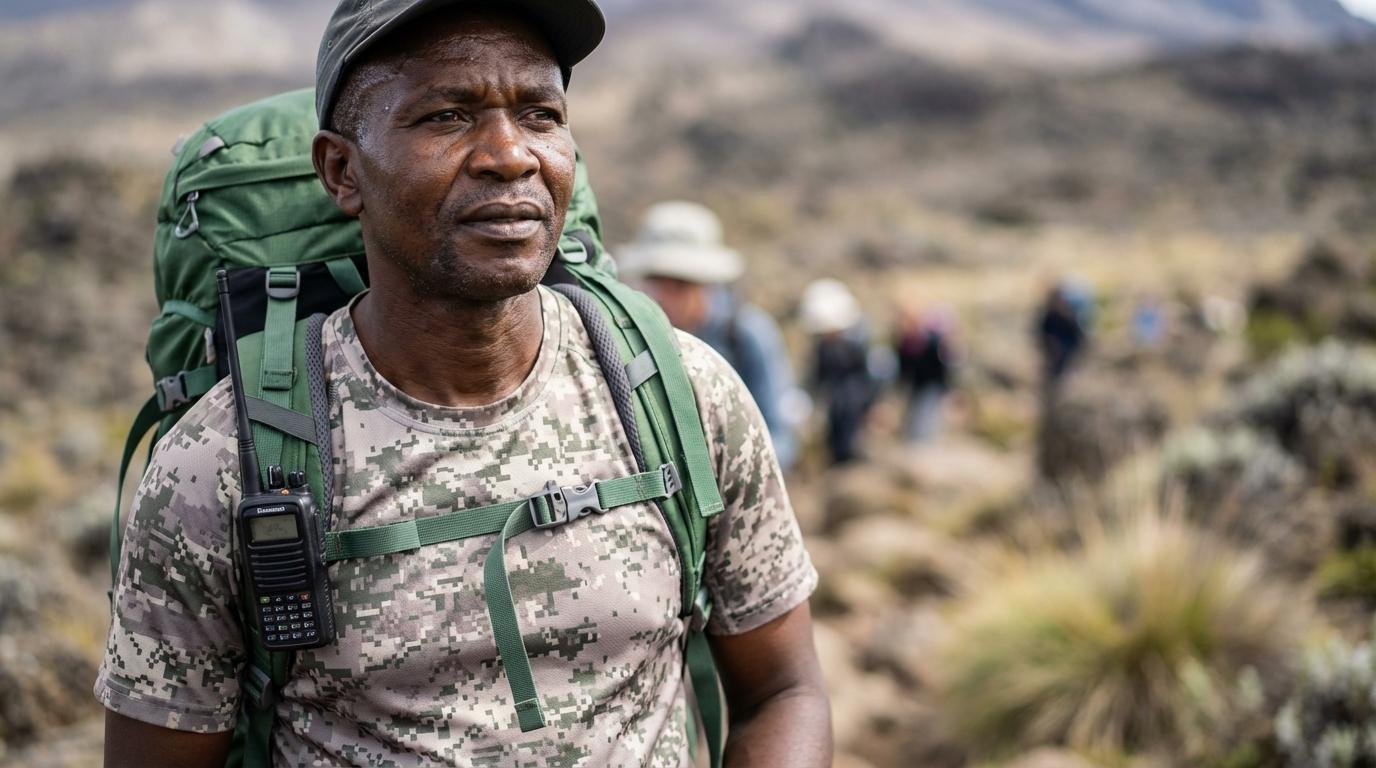
Kilimanjaro Guide for Trek Planning Success
Climbing Kilimanjaro is not technically difficult, yet it is demanding in the way that matters most: altitude. A good guide is the difference between feeling cared for and feeling like you are simply being “moved uphill.”
The right team sets a calm pace, catches problems early, and keeps the mountain fun even when the air gets thin. That is where a great guide shines.
What a Kilimanjaro guide actually does
A Kilimanjaro guide is part mountain professional, part trip leader, part health monitor. On any given day they are managing your pace, checking how you are adapting to altitude, watching weather patterns, coordinating camp setup, and keeping the group hydrated and eating enough.
They are also your translator for the mountain itself. Trail conditions change fast, from rainforest mud to alpine scree to arctic winds near the crater. A guide makes small, smart adjustments that protect your energy and lower risk: a slower tempo, a longer break, an earlier start, an extra layer, a reminder to drink, or an insistence that you eat even when you do not feel hungry.
And when something goes wrong, your guide becomes the person with a plan. Good decisions at 14,000 feet are rarely dramatic. They are timely.
Licenses, training, and the safety toolkit
On Kilimanjaro, you want a licensed, experienced local guide backed by a well-run operator. Experience matters because high altitude issues rarely announce themselves clearly at first. Training matters because the response has to be consistent, not improvised.
After you have confirmed the guide team is properly licensed, ask how safety is handled day to day, not just in emergencies. A professional approach usually includes routine health checks, clear turnaround rules, and a communication plan for evacuation support.
A few guide credentials and practices that tend to separate strong teams from average ones include:
- Wilderness medical training: Wilderness First Responder (WFR) or equivalent, plus regular refreshers
- Altitude protocols: documented checks for symptoms, oxygen saturation monitoring, and conservative decision-making
- Emergency capability: radio or satellite communication, access to oxygen, and an evacuation plan that is actually rehearsed
- Experience depth: repeat summits across multiple seasons, not only a few trips in peak months
Some well-known international and local operators publicly highlight guide medical training and long track records. Thomson Treks, for example, states that all its Kilimanjaro guides are WFR-certified and reports very high summit success rates, which reflects a strong systems approach to safety and acclimatization.
Acclimatization: your guide’s biggest job
Most climbers think the summit is the hard part. Many guides will tell you the real challenge is the days before the summit, when you are gaining altitude while trying to sleep, recover, and keep eating.
Acclimatization is not just “spend more days.” It is also about how those days are used. The best guides know when to slow down, when to add a short acclimatization walk after reaching camp, and when to intervene early if someone is trending the wrong way.
Kilimanjaro rewards patience. A calm “pole pole” pace is not a slogan. It is a medical strategy.
Longer itineraries tend to improve comfort and success because your body has more time to adapt. That is why many safety-focused operators recommend 7 to 10 day routes and avoid ultra-short programs unless a climber has extensive high-altitude experience.
Route choice and guide strategy
Route selection is not only about scenery. It shapes your acclimatization profile, crowding, sleep quality, and the kind of leadership your guide will need to provide.
Below is a practical view of how common routes differ. Days vary by itinerary, and reputable operators often add extra acclimatization nights.
| Route | Typical itinerary length | Comfort and crowding | Acclimatization profile | Who it suits |
|---|---|---|---|---|
| Lemosho | 7 to 8 days | Great scenery, moderate crowds | Strong, gradual start | Many first-timers who want a well-paced climb |
| Northern Circuit | 8 to 10 days | Quieter after the first days | Very strong due to extra time | Climbers prioritizing success and a calmer trail |
| Machame | 6 to 7 days | Popular, busier camps | Good but can feel fast at 6 days | Fit hikers who want variety and do not mind crowds |
| Rongai | 6 to 7 days | Often less crowded, drier side | Moderate, depends on itinerary | Travelers coming in rainy season or wanting a different approach |
| Marangu | 5 to 6 days | Hut system, popular | Often too fast at 5 days | Budget-focused climbers willing to add days for safety |
A capable guide adapts the plan within the route: pace changes, rest timing, and acclimatization walks. If a company sells a route as “easy” because it is shorter, treat that as a warning sign.
Ethical teams: porters, cooks, and a healthy climb culture
A Kilimanjaro climb is a team effort. Porters and camp staff carry a huge portion of the load, prepare meals, and build the camp environment you rely on for recovery. When staff are treated well, the whole expedition runs better.
Ethical porter treatment is also safety. Staff who have proper clothing, fair pay, appropriate loads, and decent meals are less likely to suffer injuries or altitude issues themselves. Many travelers look for operators associated with initiatives like the Kilimanjaro Porters Assistance Project (KPAP) or those that clearly outline porter welfare standards.
A good guide sets the tone: respectful, organized, and calm. That culture shows up in the small things, like whether camp is ready on arrival and whether your water routine is consistent every day.
What to ask before you book
Most people compare routes and prices first. Compare guide systems first. The questions below help you learn how a team behaves when conditions get hard.
You can start with a short checklist:
- Daily health checks routine
- Typical guide-to-client ratio
- Oxygen carried on the mountain
- Evacuation process and decision authority
- Hotel nights before and after the climb
- Transparent porter welfare policy
Then listen carefully to how the operator answers. Vague promises are easy. Clear procedures are reassuring.
How Beyonds Average supports you before, during, and after
At Beyonds Average, the goal is a climb that feels safe, comfortable, and well supported from the moment you land through the day you fly home. Many international travelers arrive through Kilimanjaro International Airport and stage from Moshi or Arusha, and reliable transport plus good pre-climb lodging can make a real difference in sleep and stress levels.
On the mountain, our approach prioritizes acclimatization and traveler wellbeing, guided by licensed Tanzanian-born guides. We favor longer, carefully paced itineraries on major routes like Lemosho and the Northern Circuit, because extra time is one of the most dependable tools for safer adaptation to altitude.
Support is not only about summit day. Pre-climb planning and packing guidance, help thinking through travel insurance, and clear communication around expectations can reduce last-minute surprises.
If budget timing is part of the planning puzzle, we also offer a 0% interest payment plan with up to 18 installments, which can make a longer and safer itinerary easier to commit to without cutting corners.
A realistic picture of summit night
Summit night starts late, often around midnight, with freezing temperatures and a slow, steady ascent by headlamp. It is normal to feel tired, quiet, and a little emotional. This is also when altitude symptoms can become more pronounced.
A strong guide is actively managing the group: micro-breaks, steady hydration reminders, layer adjustments, and constant observation for signs that someone is becoming unsafe. If a turnaround decision is needed, the best guides make it early enough to protect the climber and still get them down to warmer air quickly.
Reaching Uhuru Peak is a powerful moment, but so is getting everyone back down to camp safely. Professional teams celebrate both.
Costs, tips, and value: paying for professional support
Price shopping is understandable. Kilimanjaro is a significant expense. Still, the lowest quote often means fewer staff, shorter itineraries, older gear, thinner food plans, or weaker safety systems.
You are not only paying for a person who knows the trail. You are paying for an entire field operation: trained leadership, a rested staff team, quality shelter, reliable meals, medical readiness, and logistics that keep you focused on walking and breathing.
If two operators look similar on paper, ask what they do when a climber shows moderate symptoms at altitude. The answer will tell you how they balance summit ambition with safety. That balance is what you want on your side.
Kilimanjaro will always be a challenge, yet it does not have to feel uncertain. With the right guide team, the mountain becomes more predictable, your days feel more comfortable, and your summit attempt is built on good choices made well before you ever step onto the trail.
All Categories
Recent Posts
best time to climb kilimanjaro
Kilimanjaro best operator