best time to climb kilimanjaro
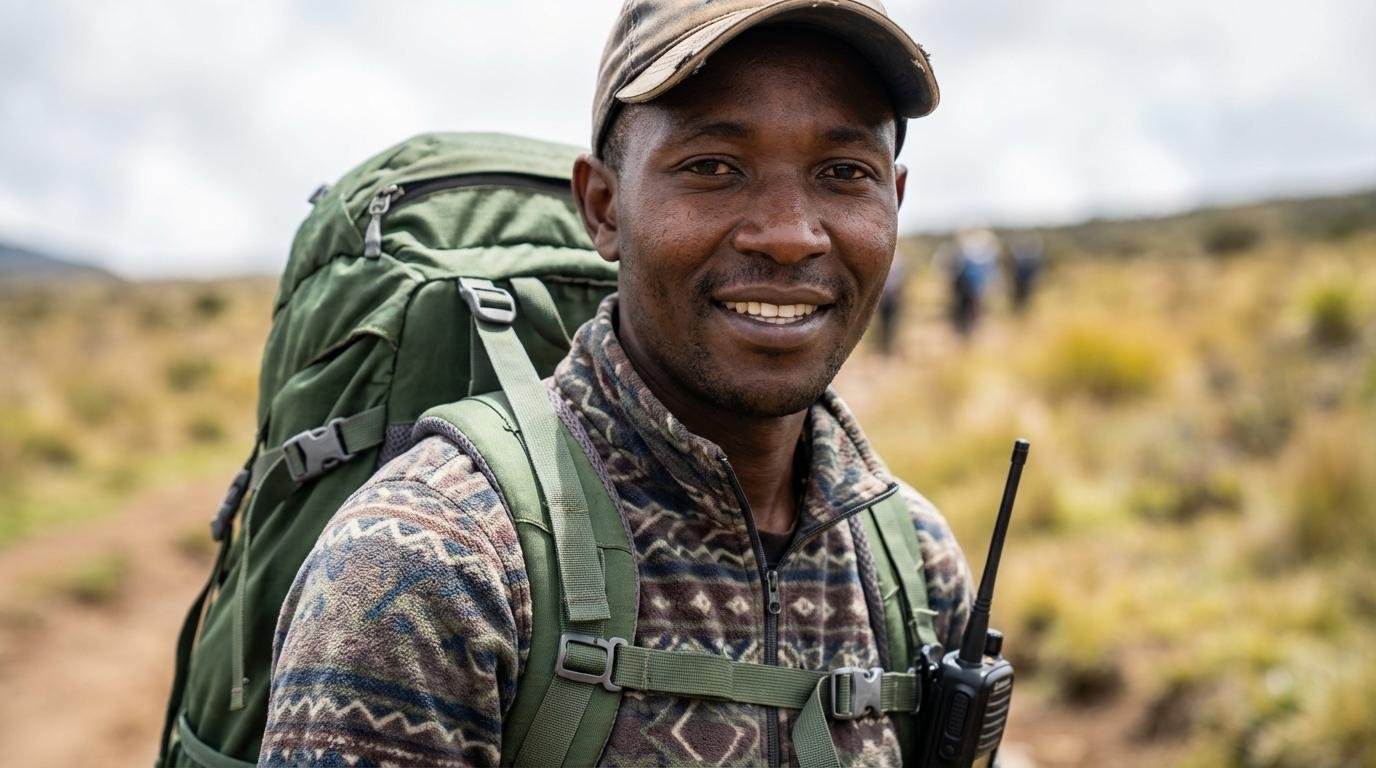
best time to climb kilimanjaro
Climbing Mount Kilimanjaro is one of those rare trips where timing changes almost everything: what you see, how you feel at altitude, how busy the trails are, and how comfortable camp life will be. There is no single “perfect month” for everyone, but there are clear patterns that can help you choose the right window with confidence.
If you’re aiming for the highest chance of a safe, enjoyable summit, your “best time” is usually the time that matches your priorities and supports good acclimatization, steady pacing, and predictable mountain weather.
What “best time” really means on Kilimanjaro
Kilimanjaro is not technical for most routes, yet it is still a serious high-altitude climb. The best time is less about chasing postcard views and more about stacking small advantages: drier trails, clearer mornings, calmer logistics, and conditions that make it easier to eat, sleep, and recover.
A good decision normally balances these factors:
- Weather stability
- Trail conditions
- Summit comfort
- Visibility
- Crowd levels
- Budget flexibility
Even in the “best” season, you can get wind, clouds, and cold nights. That’s normal. What you want is a month where those challenges are manageable and predictable, and where you can pick an itinerary that gives your body time to adjust.
Kilimanjaro seasons at a glance
Kilimanjaro sits close to the equator, so temperatures do not swing wildly month to month at lower elevations. The big changes are rain, cloud cover, and trail conditions. The classic planning rule is simple: the driest windows are usually the most popular.
- Long dry season: June to October
- Short dry season: January to February
- Long rains: March to May
- Short rains: November (sometimes late October into early December)
Here’s a practical month-by-month view to help you visualize tradeoffs.
| Month | Typical conditions | Crowds | Why people choose it |
|---|---|---|---|
| January | Mostly dry, warm lower slopes | High | Great visibility, good trails |
| February | Dry, often warmer | High | Popular for comfort and views |
| March | Rain increases, clouds build | Medium | Better pricing, quieter trails |
| April | Wettest stretch, muddy trails | Low | Very quiet, strong teams still climb |
| May | Rain easing later in month | Low to Medium | End-of-rain value, greener scenery |
| June | Dry season begins, cooler nights | High | Reliable weather, clear mornings |
| July | Dry, cooler, often windy higher up | Very High | Peak demand, steady conditions |
| August | Dry, cold at night, windy possible | Very High | Popular holiday month |
| September | Dry, slightly less busy late month | High | Strong mix of weather and space |
| October | Often dry, warming trend | Medium to High | Good conditions, fewer peak crowds |
| November | Short rains, mixed days | Low to Medium | Quiet trails, flexible travelers |
| December | Early month mixed, late month drier | Very High late month | Holiday travel and festive timing |
Conditions shift year to year. A local, licensed guide team that spends week after week on the mountain will often have the most realistic read on what the current season is doing.
Dry season (June to October): the most reliable choice
If you want the simplest answer to “best time to climb Kilimanjaro,” this is it. June through October tends to bring more stable weather, fewer long downpours, and better trail footing. That usually means less stress around wet gear and a smoother camp routine.
June can feel crisp at night, especially higher up. July and August often bring the coldest nights on many itineraries, plus more wind near the alpine zones. September and October can be an excellent middle ground: still dry, often a touch warmer, sometimes with slightly lighter crowds late in the season.
A single sentence worth remembering: dry season does not mean warm at the top.
Short dry season (January to February): warm, clear, and popular
January and February are another top window, especially for travelers who prefer warmer conditions on the lower mountain. Trails are typically in good shape, and summit views can be outstanding when skies clear after sunrise.
These months are also attractive if you’re trying to avoid the coldest part of the year at higher camps, though the summit area is always cold due to altitude. What changes is how biting the wind feels, and how long you may be waiting in the cold during summit night rest stops.
February is often slightly warmer than January, and it can feel more comfortable for people who struggle with cold hands and feet.
Rainy seasons (March to May, and November): still climbable, but different
Yes, Kilimanjaro can be climbed during the rains. The mountain does not “close.” The real question is whether you’ll enjoy the style of trekking that comes with it.
During the long rains (March to May), expect more persistent moisture, muddier trails, and wet clothing challenges. Cloud cover can hide views, and drying gear becomes harder. That said, the rainforest zone can look lush, and the mountain can feel wonderfully quiet.
November tends to be shorter and more unpredictable. You might get a few hours of rain and then a clear afternoon. Or you might get several damp days in a row. Teams that prepare well and keep a conservative pace can do well, but comfort becomes a bigger part of the planning.
If you are considering rain-season travel, talk through route choice, tent quality, and camp routines with your operator. A safety and comfort-first approach matters more when conditions are wet.
Shoulder periods: the hidden advantages
The weeks that sit just outside peak times can be a smart compromise. Late May, early June, late October, and early December often offer a mix of decent weather and less crowd pressure.
Some travelers like shoulder periods because they can be more flexible with dates, and it may be easier to secure preferred hotels in Moshi or Arusha and get the route start day you want. For climbers who value quiet camps, these windows can feel more personal without stepping fully into the wettest weeks.
One sentence that often proves true: a quieter mountain can make it easier to sleep.
Matching timing to route choice
Not all routes respond the same way to rain, crowds, or wind. Route choice is a timing decision, not a separate decision.
The Lemosho Route and the Northern Circuit are often favored for their acclimatization profile and scenery, and longer itineraries can support better altitude adjustment. The Machame Route can be a strong option for fit trekkers who want a classic experience, though it can feel busy in peak months. The Marangu Route uses huts, which some people like in wet weather, yet it can be colder in the sleeping areas and the acclimatization profile is more challenging on shorter schedules.
When you are choosing months, it helps to think like this:
- Peak dry months: consider longer itineraries to reduce summit stress and make crowds feel less intense day to day
- Rain-leaning months: prioritize strong tents, experienced guides, and conservative daily pacing
Many well-supported operators, including teams like Beyonds Average that focus on acclimatization and wellbeing, will steer most first-timers toward 7 to 10 day plans. More time usually means more margin.
Temperature, altitude, and what you will actually feel
Kilimanjaro can give you sunshine in the morning, hail after lunch, and a freezing summit night, all within 24 hours. The best time to climb is partly about how you handle cold and how your body recovers.
At lower elevations, daytime can be warm year-round. Higher camps are cold at night year-round. Summit night is always cold, often well below freezing with wind.
Your comfort will depend on three things:
- Your layering system
- How dry your clothing stays
- How well you eat, drink, and sleep
Good guiding teams treat these as safety issues, not just comfort issues. Staying warm supports steady breathing, better rest, and clearer decision-making.
Practical packing priorities change a little by season:
- Rain protection: jacket, pack cover, dry bags
- Cold management: insulated parka, warm gloves, spare socks
- Foot comfort: broken-in boots, gaiters, blister care
Crowd levels, permits, and logistics from arrival to the trail
Most international climbers arrive through Kilimanjaro International Airport and then transfer to Moshi or Arusha. The busiest months can make simple logistics feel tighter: popular hotels fill faster, route start days get crowded, and some campsites feel more like small villages.
If you prefer a calmer start, aim for late September, October, or a shoulder period. If your dates are tied to work or school holidays, you can still have a great climb, just plan earlier and choose an itinerary that protects acclimatization.
It also helps to ask how your operator handles the non-trekking details that affect rest and recovery:
- Pre-climb hotel quality and quiet
- Reliable ground transport
- Clear pre-trek gear checks
- Safety monitoring on the mountain
Beyonds Average and similar safety-focused operators typically build these details into the package, so you arrive at the trail feeling settled rather than rushed.
Special timing: full moon, holidays, and private climbs
Many trekkers like to schedule summit night near a full moon. Moonlight can make the upper slopes feel less intimidating, and it can reduce reliance on headlamps for visibility on clear nights. It does not make the climb easier, but it can improve the experience.
Holiday timing matters too. Late December, July, and August can be very busy. If you want the energy of a social mountain, that can be fun. If you want quiet reflection, it can feel like too much.
If your budget allows, a private climb can be a smart way to control pace and group dynamics in any season. It also helps if you have specific wellness needs, dietary needs, or a strong preference for a slower acclimatization profile.
Planning timeline: choosing dates that support a safe summit attempt
Once you pick a season, your next goal is to build a plan that protects acclimatization and reduces avoidable stress. Longer itineraries, steady pacing, and daily health checks tend to matter more than chasing a “perfect” forecast.
A simple planning rhythm that works for many travelers looks like this:
- Choose a 7 to 10 day route plan that fits your fitness and comfort goals
- Reserve early if traveling in July, August, or late December
- Start training with hiking and stairs, and prioritize sleep consistency
- Confirm gear well before departure, focusing on warmth and rain protection
- Arrive with enough buffer time in Moshi or Arusha for rest and final checks
If you like budgeting in smaller steps, some operators offer a 0% interest installment plan for up to 18 payments, which can make a longer, acclimatization-friendly itinerary more accessible without cutting corners on support.
The best time to climb Kilimanjaro is the time you can commit to steady preparation, arrive rested, and give yourself enough days on the mountain to adapt. That combination tends to produce the safest, happiest summits, no matter which month you choose.
All Categories
Recent Posts
best time to climb kilimanjaro
Kilimanjaro best operator