best time to climb Kilimanjaro
best time to climb Kilimanjaro
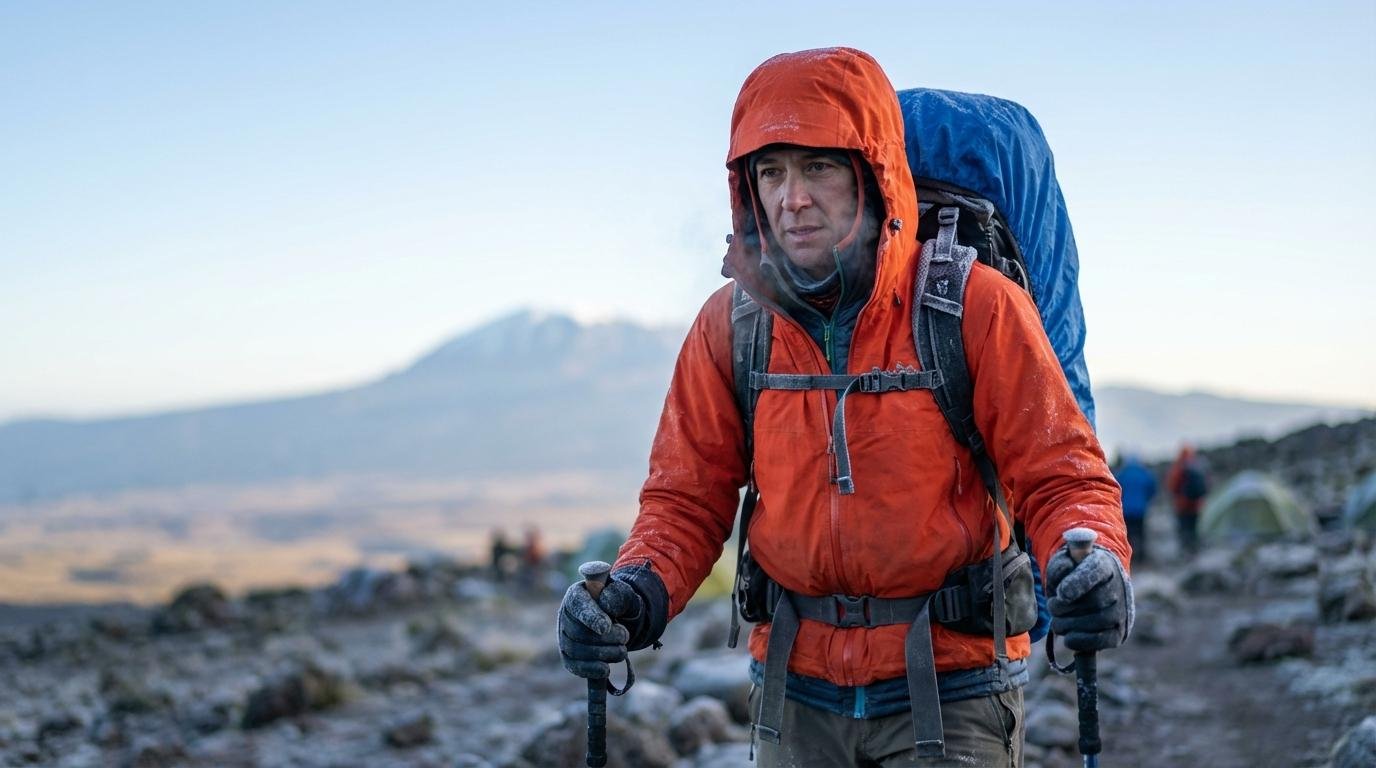
Choosing when to climb Mount Kilimanjaro is less about chasing a perfect forecast and more about stacking the odds in your favor. The right timing can mean firmer trails, clearer summit views, fewer wet sleeping bags, and an easier logistics plan from Kilimanjaro International Airport to Moshi or Arusha.
Kilimanjaro sits near the equator, yet it rises into true alpine cold. You can sweat in the rainforest at lunchtime and wake to frozen boots at high camp. Because of that, “best time” is really a blend of rainfall patterns, wind, visibility, crowd levels, and how much schedule flexibility you have for a slower acclimatization-focused itinerary.
Why timing matters more than most people expect
Rain is the obvious factor, but it is not the only one. A muddy approach day can drain energy early, and fatigue often shows up later during summit night. Cloud cover can also hide landmarks and reduce those wide-open views people dream about.
Cold is constant up high, but the feel of cold changes with moisture and wind. Damp air and wet gloves can make a mild temperature feel sharp. Dry air can feel comfortable while you are moving, then dehydrate you quietly unless you are disciplined about drinking.
Crowds matter too. When camps are busy, the mountain feels more social, but also noisier. That can affect sleep, and sleep is a real piece of altitude wellness.
The simple answer: aim for the two dry seasons
Most trekkers get the best overall conditions during Kilimanjaro’s two main dry periods:
- Mid-December through mid-March
- Late June through October
These windows usually bring lower rainfall and more consistent visibility. You still need proper layers and rain protection, since showers can pop up even in “dry” months, especially in the rainforest zone.
Here is a quick way to frame the tradeoffs you are choosing between:
- Dry seasons: clearer skies, firmer trails, higher demand
- Rain seasons: greener scenery, quieter routes, slippery footing and wet gear risks
What the year looks like, month by month
Weather on Kilimanjaro changes quickly, and conditions vary a lot by altitude, but planning is easier when you view the year in blocks. This table is a practical guide for deciding when to request vacation time, book flights, and reserve a route and itinerary length.
| Time of year | Typical conditions | Pros | Watch-outs | Crowd level |
|---|---|---|---|---|
| Jan to mid-Mar | Generally drier with warm days at the base and clear mornings | Strong all-around choice for views and trail conditions | Holiday weeks can be busy; summit night is still very cold | Medium to high |
| Mid-Mar to May | Long rains, frequent cloud, wet trails (especially on southern routes) | Lush rainforest, very quiet camps | Mud, low visibility, wet clothing increases cold stress | Low |
| Jun to Sep | Dry and cooler, often crisp visibility | One of the most reliable periods for clear summit days | Peak demand; some nights feel extra cold and windy | Very high |
| Oct | Often stable, trending toward short rains later | Great balance month when it stays dry | Weather can shift late in the month | Medium |
| Nov | Short rains, changeable days | Fewer people, good availability in towns | Showers can soak camps, trails slick down low | Low |
| Dec | Mixed early month, then improves toward late month | Good timing if you want a holiday climb | Late Dec books out fast | Medium to high |
Pick your “best time” based on what you value most
No single month is perfect for everyone. A photographer who wants sharp horizon lines has different needs than someone who mainly wants quiet trails and flexible pricing.
A helpful way to decide is to rank your priorities:
- Clear summit views: July to September, January to February
- Fewer trekkers: early March, October, November
- Warmer feel at the start: January to March, December
- Higher chance of snow underfoot: June to August (still never guaranteed)
- Budget and availability: November and parts of March can be easier to book
If you only have one narrow week off work, choose the driest period that matches that week. If you have flexibility, you can often get a calmer experience by shifting just a couple of weeks away from peak holiday dates.
Dry season #1: mid-December through mid-March
This period is popular for good reason. The mountain often offers clear mornings, manageable trail conditions, and comfortable temperatures at the lower elevations. It can feel like a classic “big trek” season: warm starts, cool camps, and sharp cold up high.
Late December into early January is the busiest slice because it matches international holidays. If you want the benefits of this season without the biggest crowds, aim for mid-January through February when many travelers are back to work and school.
One practical note: after the short rains, the mountain can still hold moisture in the forest. Even when skies are blue, the trail can be damp and you can brush against wet vegetation. A solid rain jacket and a pack cover still earn their place.
Dry season #2: late June through October
These months are often viewed as the most dependable for low rainfall and wide visibility. Air can be crisp, especially higher up, and many summit mornings reward the early start with clear views across the plains.
The tradeoff is demand. Flights into JRO, hotels in Moshi and Arusha, and popular routes fill quickly in July and August. Camps on well-known trails can feel busy, and that is not everyone’s idea of a mountain reset.
If you love the idea of this season but prefer a quieter feel, late June, September, and early October can be smart targets. You still get many of the dry-season benefits with a bit more breathing room.
What about the rainy seasons? Yes, it’s possible, but plan carefully
Kilimanjaro is climbed year-round, and park regulations require a licensed guide and registered operator in every season. Still, heavy rain changes the risk profile. Wet ground increases slip risk, and staying warm becomes harder when clothing and sleeping gear get damp.
Long rains (mid-March to May)
This is the toughest period for most trekkers. Down low, trails can turn to mud, and cloud can block views for days. You may also deal with wet tents and limited drying time, which can make the whole experience feel more demanding than the same route in July.
If your schedule forces a long-rains climb, route choice matters more than usual. The north side of the mountain is typically drier than the south, so routes that approach from the north can be a safer bet, paired with a longer itinerary to protect acclimatization.
Short rains (November)
November often brings on-and-off showers rather than constant downpours, but conditions can still be slick and cloudy. The upside is space. If you want a quieter climb and you pack seriously for wet weather, November can work, especially with a conservative day-by-day plan.
Route choice and timing go together
People often ask, “Which route is best?” A better question is, “Which route is best for my month and my comfort level?”
Southern and western approaches tend to see more rain impact during wet periods, since they pass through wetter zones longer. Northern approaches can stay drier in the same week. Longer routes also help because they give your body time to adjust and give the team more flexibility if the weather shifts.
At Beyonds Average, itineraries are built around acclimatization and traveler wellbeing, so timing conversations usually include route length, not just a calendar month. A longer plan can be the difference between feeling rushed and feeling steady, regardless of season.
Crowds, comfort, and logistics from arrival to the trailhead
Many international travelers fly into Kilimanjaro International Airport, then overnight in Moshi or Arusha before the climb. During peak months, those towns get busy. Rooms that are close to briefing points and gear checks can sell out. Transport schedules also get tighter.
If you are aiming for late June through September or late December, booking earlier gives you better control over the experience. That can mean better hotel options, smoother pre-climb rest, and enough time for thoughtful gear prep rather than last-minute shopping.
A quieter month can be calmer on the mountain, but it should never mean cutting corners. Kilimanjaro demands the same respect in every season: trained crew, appropriate equipment, a realistic itinerary, and a clear plan for monitoring altitude health.
A safety-first way to choose your dates
Once you know your available travel window, use a simple decision process that keeps safety and comfort at the center.
- Pick the longest itinerary you can reasonably commit to, since acclimatization is a major predictor of summit success.
- Match that itinerary to the most stable weather period available in your calendar.
- Choose a route that fits the season and your crowd preference, then lock in flights and hotels around it.
This approach is especially helpful for first-time high-altitude trekkers. It keeps the plan focused on what your body needs, not just what looks good on a calendar.
If your dates are flexible, here are smart “sweet spots”
Some weeks tend to offer a strong balance of weather, availability, and overall comfort. They are not secret, but they can be easier than the biggest peak weeks.
Late January and February often deliver dry-season benefits with fewer holiday crowds. Early June can be a nice lead-in to the busiest period, with many dry days before July demand spikes. September can bring excellent visibility with slightly softer traffic than August. Early October sometimes holds onto dry conditions while giving you more space at camp.
If you are unsure, a good operator will talk through your priorities, explain what the mountain is likely to feel like in your chosen month, and help you plan gear, pacing, and an itinerary length that supports acclimatization. Beyonds Average also offers a 0% interest payment plan with up to 18 installments, which can make it easier to choose the safer longer itinerary instead of forcing a short route to fit a budget.
The best time to climb Kilimanjaro is when weather is stable and you have enough days to go slowly, sleep well, and let your guides keep a close eye on how you’re adapting as you gain altitude.
All Categories
Recent Posts
best time to climb kilimanjaro
Kilimanjaro best operator