
Preventing Altitude Sickness on Kilimanjaro: Acclimatization Strategies That Work
Preventing Altitude Sickness on Kilimanjaro: Acclimatization Strategies That Work
Mount Kilimanjaro is a non-technical climb, but it is not a low-risk walk. The main challenge is not steep rock or complicated route-finding. It is the altitude, and how your body responds as oxygen drops quickly above 10,000 feet.
The good news is that most altitude problems on Kilimanjaro are preventable or manageable when you treat acclimatization as the core objective, not a side benefit. With the right itinerary, pacing, and medical plan, many trekkers feel strong, sleep better, and give themselves a safer shot at summit morning.
What altitude sickness is (and what it is not)
Altitude sickness is your body telling you it has not adapted yet to thinner air. On Kilimanjaro, symptoms most often start after you pass 9,800 feet (3,000 m), and they commonly show up as:
- headache
- nausea or low appetite
- dizziness
- unusual fatigue
- poor sleep
Those symptoms can be mild and still worth taking seriously. Severe altitude illness is less common, but it is the reason responsible teams treat symptoms early. Two emergencies matter most:
- HACE (high-altitude cerebral edema): brain swelling, confusion, loss of coordination
- HAPE (high-altitude pulmonary edema): fluid in the lungs, shortness of breath at rest, cough that worsens
Kilimanjaro is unique because people go from near sea level to 19,341 feet (5,895 m) in about a week, sometimes less. That pace is what creates the risk.
The biggest predictor of success: your itinerary
If you want one “strategy that works,” it is time. More nights on the mountain usually means a more gradual rise in sleeping altitude, which gives your body repeated chances to adapt.
Medical guidance for high-altitude travel often uses a simple rule of thumb: once above about 9,800 feet (3,000 m), try to limit increases in sleeping elevation to roughly 1,600 feet (500 m) per night, and build in a lighter day every few days. On Kilimanjaro, routes that follow this pattern tend to see fewer altitude symptoms and more comfortable climbs.
Studies and operator data also point to a clear pattern: very short ascents (often 4 to 5 days total) have extremely high rates of acute mountain sickness, while 7 to 9 day climbs show meaningfully lower symptom rates.
| Itinerary style | Typical total days | Sleeping elevation change | Built-in acclimatization | What this usually means for AMS risk |
|---|---|---|---|---|
| Rapid ascent | 4–5 | Large jumps | Minimal | High risk, many trekkers feel symptoms |
| Moderate pace | 6–7 | Medium jumps | One key acclimatization day | Moderate risk, symptoms still common |
| Slower pace | 8–10 | Smaller jumps | Multiple acclimatization touches | Lower risk, often better sleep and appetite |
Time does not guarantee a symptom-free climb, but it shifts the odds in your favor more than any supplement, hack, or “toughness” mindset.
Acclimatization practices that good Kilimanjaro climbs bake in
A well-designed Kilimanjaro itinerary does more than move camps. It sets up a rhythm that helps your body adapt while keeping you fueled, warm, and rested enough to recover.
After you have a slow-enough route, these on-mountain choices matter most:
- Pole pole pacing
- Short rest breaks, not long cold stops
- Early reporting of symptoms
- Conservative decision-making on summit day
“Climb high, sleep low” (and why it feels hard but helps)
You will hear the phrase “climb high, sleep low” on Kilimanjaro for a reason. Many itineraries include a day where you hike up to a higher point, then drop down to sleep lower. That brief exposure can stimulate acclimatization without forcing your body to recover at the higher sleeping altitude.
It can also feel like the toughest day of the trip, especially if the terrain is dry, windy, and exposed. That discomfort is not a sign you are failing. It is often a sign your plan is doing what it should: adding stress in a controlled, reversible way.
Rest days that are not “do nothing” days
On Kilimanjaro, a good acclimatization day is usually active but measured. You may take a short hike, practice slow breathing, drink regularly, then return to camp to eat and nap. The point is to reduce total strain while keeping your body moving.
Medication support: acetazolamide (Diamox) and smart use
Medication is not a substitute for a good itinerary. It can be a helpful layer of protection when used correctly and with medical guidance.
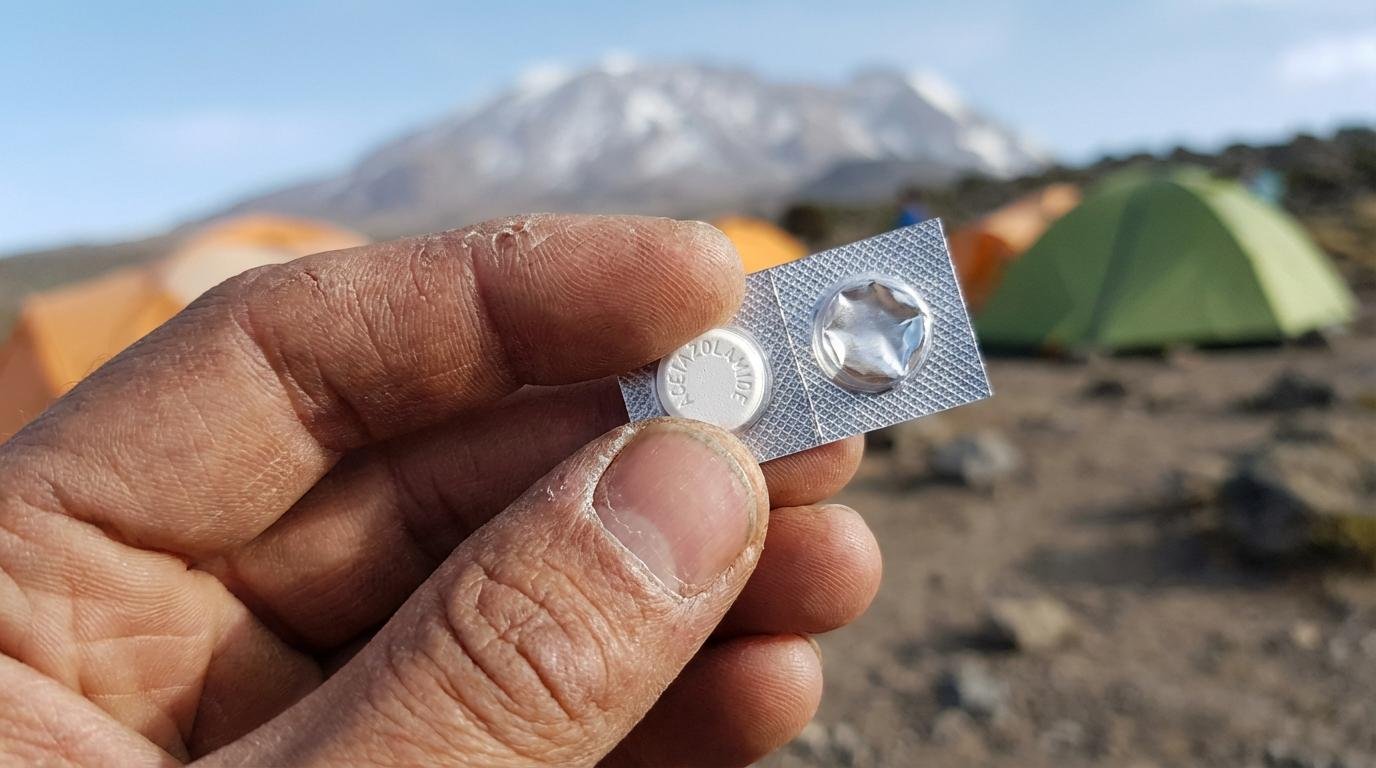
Acetazolamide (often known as Diamox) is the most commonly recommended option for preventing acute mountain sickness during rapid ascents. Travel medicine guidance frequently cites 125 mg twice daily as a preventive dose for many adults, started the day before or the day you begin ascending.
Before you pack any prescription, talk with a qualified clinician who knows your health history and your other medications. This matters even more if you have kidney issues, a history of severe reactions to medications, or you are pregnant.
If your clinician clears acetazolamide, plan for these practical realities:
- Timing: Starting early helps, even if you feel fine at the trailhead.
- Side effects: Tingling fingers, increased urination, taste changes are common.
- Hydration plan: More bathroom breaks mean you need a stronger drinking routine.
Some trekkers cannot take acetazolamide. In those cases, a clinician may discuss alternatives like dexamethasone for prevention in higher-risk situations, with clear instructions. Self-medicating on the mountain is not a good plan.
Daily habits on the mountain that reduce risk
Once the climb starts, acclimatization becomes a set of small choices you repeat every day. Many altitude problems begin when normal needs stack up: mild dehydration, skipped meals, cold stress, poor sleep, and too-fast pacing.
A simple routine works well for many trekkers:
- Drink steadily from breakfast onward, aiming for pale urine rather than forcing extreme amounts.
- Eat even when appetite dips, leaning toward carbs and warm foods you can tolerate.
- Keep your pace slow enough that you can speak in full sentences.
- Stay warm at rest stops so you do not “crash” from cold and wind.
- Tell your guide about new symptoms early, even if they feel minor.
Hydration is supportive, not magical. Over-drinking can also be risky, so the goal is consistent intake plus electrolytes when needed, not an all-day water contest.
Food matters more than many people expect. At altitude, your body often prefers carbohydrates, and warm, familiar meals can be easier to finish than heavy, greasy options. If nausea shows up, small snacks more often can be easier than forcing one large meal.
Fitness training helps, but it does not make you altitude-proof
Being fit makes the hiking feel easier. That can indirectly improve safety because you can walk slower without feeling pressured, recover faster at camp, and keep your appetite.
It does not make you immune to altitude illness. Very athletic trekkers still get acute mountain sickness, especially when they ascend quickly or push the pace early.
A practical training build for Kilimanjaro often includes:
- steady cardio 3 to 4 days a week
- long hikes on weekends with a light pack
- leg and core strength 2 to 3 days a week
- practice days in the boots you will wear on the mountain
If you can arrive in Tanzania healthy, well-rested, and used to long walking days, you have already improved your odds.
Gear choices that support acclimatization more than you think
Cold stress and poor sleep amplify altitude symptoms. A warm, comfortable trekker is often a safer trekker.
Prioritize sleep systems and layering. A four-season sleeping bag that matches summit-night temperatures, a warm insulated jacket, reliable rain gear, and gloves that actually keep your fingers warm can make the difference between solid recovery and a night of shivering.
Two often-missed details:
- Keep your water from freezing on summit night with insulation and smart bottle placement.
- Protect your lips, nose, and eyes from sun and wind, since irritation and dehydration add up fast.
How responsible teams monitor altitude and act early
Good acclimatization planning is only half the safety story. The other half is daily monitoring and a clear response plan.
Many licensed Kilimanjaro guide teams use a combination of symptom check-ins and simple measurements (often including pulse and oxygen saturation trends) to spot problems early. Numbers are never the whole story, so experienced guides also watch behavior: pace changes, confusion, loss of appetite, and coordination.
A safety-first response plan usually looks like this:
- slow down and reassess at the first meaningful symptoms
- stop ascent when symptoms worsen at the same altitude
- descend when symptoms become severe or do not improve
On well-supported climbs, teams may also carry emergency oxygen and have protocols for rapid descent and evacuation coordination when needed. The exact tools differ by operator, but the mindset should be the same: summit is optional, safe return is required.
Route selection that stacks the acclimatization deck
Kilimanjaro has multiple routes, and they are not equal for acclimatization. If your schedule allows it, picking a longer itinerary is one of the most effective decisions you can make.
Routes that naturally support a gradual ascent, extra nights, and acclimatization hikes tend to be favorites for climbers who want a comfort-first approach. Longer options can also spread out effort, giving you better recovery and a more enjoyable experience.
Many international travelers fly into Kilimanjaro International Airport and base in Moshi or Arusha before heading to the gate. That staging time can be used for rest, gear checks, and a calm start, which is better than landing late and rushing straight onto the mountain.
Beyonds Average builds climbs around that same principle: longer itineraries, conservative pacing, and close support by licensed local guides, with comfort-focused logistics like dependable transport and solid pre and post climb accommodations. For trekkers who prefer to budget over time, an installment plan can also reduce pressure to choose a shorter, riskier route just to “get it done.”
A safer acclimatization plan starts before day one
If you want to prevent altitude sickness on Kilimanjaro, start planning for it the moment you choose dates. A slow route, a conservative daily pace, warm gear, consistent eating and drinking, and a clinician-approved medication plan (when appropriate) all work together.
Most of all, choose a team culture where reporting symptoms is normal and respected. When trekkers feel safe speaking up early, guides can respond early, and that is when Kilimanjaro becomes what it should be: a demanding climb that is well-supported, well-managed, and deeply rewarding.
All Categories
Recent Posts
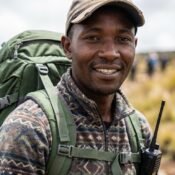
best time to climb kilimanjaro
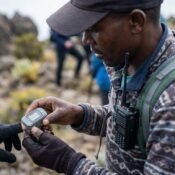
Kilimanjaro best operator