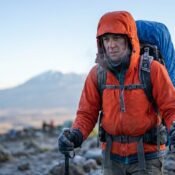


Kilimanjaro Training Plan: 12 Weeks to Summit-Ready Fitness

Kilimanjaro Training Plan: 12 Weeks to Summit-Ready Fitness
A good Kilimanjaro training plan is less about turning you into a fast runner and more about making you “walk-fit” for long, steady days on your feet, followed by a very long night to the summit and back down.
You are preparing for repeated uphill effort at a controlled pace, carrying a daypack, sleeping with imperfect recovery, and still having enough in the tank to stay warm, hydrated, and mentally steady at altitude.
What summit-ready fitness looks like on Kilimanjaro
Kilimanjaro is a trekking peak, yet it punishes rushed pacing, weak leg endurance, and poor recovery habits. The strongest climbers are often the ones who can keep a calm rhythm for hours, eat and drink consistently, and handle the downhills without their knees falling apart.
A practical target is being able to hike 5 to 8 hours at an easy-to-moderate effort, then wake up and do it again.
Before you start building workouts, keep a few basics in place.
- Consistency: 4 to 6 sessions per week beats 2 heroic workouts
- Progression: add time or load gradually, not both every week
- Specificity: regular hills, stairs, and loaded walking
- Recovery: at least 1 full rest day weekly
How to use this 12-week plan (and keep it safe)
This plan assumes you are generally healthy and cleared for exercise. If you have heart, lung, blood pressure, or orthopedic concerns, talk with a clinician before increasing training load.
Choose the version that matches your current baseline:
- If you can already jog or brisk-walk 30 minutes comfortably, follow the plan as written.
- If you are starting from low activity, extend Weeks 1 to 4 to six weeks, then continue.
Kilimanjaro rewards patience. Training does too.
Intensity made simple: pace, breath, and effort
You do not need a lab test or fancy watch to train well, though heart rate can help. Use a simple Rate of Perceived Exertion (RPE) scale from 1 to 10.
Most of your training should feel easy enough to talk in full sentences (RPE 4 to 5). Once per week, you will add a controlled harder session (RPE 7 to 8) to build strength and stamina on climbs.
Here are the effort levels you will use most often:
- Easy aerobic: talk easily, nose-breathing possible
- Steady endurance: talking in short sentences
- Tempo or intervals: hard work, speaking only a few words at a time
The 12-week structure at a glance
This plan uses three build phases and a taper, with a lighter “down week” to reduce injury risk and absorb gains.
| Phase | Weeks | Primary focus | Long hike target | Key additions |
|---|---|---|---|---|
| Base | 1 to 3 | Easy cardio, movement quality, basic strength | 2 to 4 hours, light pack | Habits: hydration, mobility, pacing |
| Reset | 4 | Reduce volume 20 to 30 percent | 2 to 3 hours | Extra sleep, address hot spots and niggles |
| Build | 5 to 8 | More uphill work, longer cardio | 4 to 6 hours, add pack weight | 1 weekly tempo or interval session |
| Peak | 9 to 11 | Mountain simulation days | 5 to 8 hours, fuller pack | Back-to-back weekend time on feet when possible |
| Taper | 12 | Fresh legs, low fatigue | 2 to 3 hours early in week | No hard strength in final 5 to 7 days |
Your weekly template (repeatable and realistic)
A clean weekly rhythm keeps you from stacking hard days on tired legs. It also mirrors how many successful climbers prepare: frequent easy aerobic work, two strength sessions, one longer hike, plus mobility.
A sample week:
- 3 cardio sessions (run, bike, swim, brisk incline walk)
- 2 strength sessions (lower body and core priority)
- 1 long hike (the main event)
- 1 to 2 rest or active recovery days (walking and stretching count)
If you miss a workout, skip it and continue forward. Do not try to “make up” volume the next day.
Weeks 1 to 4: build the base you can trust
In the first month, your main job is to show up. Keep intensity modest and build aerobic capacity with minimal soreness.
Cardio (3 days per week):
- Start at 30 to 45 minutes each session.
- Choose low-impact options if you are prone to shin splints: cycling, incline treadmill walking, elliptical, swimming.
Strength (2 days per week):
- Use bodyweight or light weights.
- Keep reps in a moderate range (10 to 15) and stop with good form still available.
Long hike (1 day per week):
- Start with 2 to 3 hours on rolling terrain.
- If you live somewhere flat, use stairs, a treadmill incline, or a parking garage.
Week 4 is a planned downshift. Your fitness improves during recovery, not during panic-driven grind.
Weeks 5 to 8: add climbing power and durability
This is where your plan starts to look and feel like Kilimanjaro. The goal is not speed; it is controlled work while staying relaxed.
Add one “quality” cardio session per week:
- tempo run or brisk incline intervals (20 to 40 minutes total work)
- hill repeats at hiking effort with easy recoveries
Extend one aerobic session:
- build one session to 60 to 75 minutes at easy-to-steady effort
Increase hike specificity:
- make your weekly long hike longer by 30 to 60 minutes every one to two weeks
- begin carrying a pack with water and layers, then slowly add weight
Strength becomes more purposeful here. Keep two days per week, and progress one variable at a time: slightly heavier weight, or one extra set, or a few more reps.
Weeks 9 to 11: peak with “mountain simulation” days
These weeks are about time on feet and comfort under load.
Your long hike becomes your confidence builder. Aim for 5 to 8 hours at a steady effort with breaks, practicing exactly what you will do on the mountain: snack often, drink consistently, adjust layers before you sweat too much, and keep your pace conservative.
If your schedule allows, add a second shorter hike the next day (even 90 minutes easy). Back-to-back days teach your legs to work while a little tired, which is closer to the real trek.
This is also the right time to do at least one downhill-focused session: a hike that includes a long descent, or controlled step-down work in the gym. Downhill strength matters on Kilimanjaro because the descent is long, and tired quads can turn it into a stumble-fest.
Week 12: taper so you arrive hungry to climb
Your fitness is built. Now protect it.
Reduce volume significantly and keep sessions easy. One short leg-strength maintenance session early in the week is fine if it leaves you fresh the next day, then stop heavy lifting 5 to 7 days before travel.
Keep moving, keep sleeping, keep hydration steady.
Strength training menu (simple, effective, repeatable)
Strength work for Kilimanjaro is about resilient legs, hips, and trunk stability, not one-rep max numbers. Two full-body sessions per week are enough for most trekkers.
After a warm-up, choose 5 to 7 movements and work in 2 to 4 sets. Rest enough to keep form crisp.
Here is a practical menu you can rotate:
- Step-ups: knee-height box, slow controlled lowering
- Split squats or lunges: steady torso, full-foot contact
- Deadlifts (or hip hinges): kettlebell or dumbbells, neutral spine
- Calf raises: straight-knee and bent-knee variations
- Rows: bands, dumbbells, or cable for posture under a pack
- Core carries: farmer carry, suitcase carry, or loaded stair carries
- Planks: short, high-quality holds over long shaky ones
If your knees are sensitive, prioritize step-ups, hip hinges, and glute work, and reduce deep knee bend volume until your joints adapt.
Hiking progression: pack weight, terrain, and pacing practice
A common mistake is training hard on flat ground, then getting surprised by hours of gradual uphill. Another is loading a pack too heavy, too soon.
For most climbers, your training pack does not need to exceed what you will carry on the mountain as a daypack, though occasional heavier training can be useful if done carefully. Build pack load slowly and pay attention to shoulder comfort, blisters, and low back fatigue.
Use this progression as a guide:
- Weeks 1 to 3: light pack, mostly water and a layer
- Weeks 5 to 8: moderate pack, add 5 to 10 lb as tolerated
- Weeks 9 to 11: pack closer to “real daypack feel,” include full water, shell, insulation, snacks, headlamp, small first aid kit
During long hikes, practice the Kilimanjaro pace: you should feel like you could go all day.
Mobility, recovery, and the fitness you keep
Training is only half the plan. Recovery is the part that lets you repeat training without injury.
A short routine done often works better than a long routine done rarely. Add 10 to 20 minutes of stretching or yoga most days, especially after hiking and strength sessions, focusing on calves, hip flexors, hamstrings, and thoracic spine mobility.
Sleep is your legal performance booster. Aim for 7 to 9 hours whenever possible, and protect it during peak weeks.
Altitude prep when you do not live in the mountains
You cannot fully train for altitude at sea level. What you can do is arrive with the aerobic base, pacing discipline, and recovery habits that make acclimatization easier.
If you can safely plan a trip to moderate elevation shortly before your climb, it can help, but it is not required for success. A well-paced itinerary on Kilimanjaro, with strong acclimatization design, is still the biggest factor you can control once you arrive in Tanzania.
This is one reason many climbers choose longer routes with more gradual ascent. Operators like Beyonds Average focus on comfort-first support, careful daily pacing, and licensed local guides who monitor wellbeing, which pairs well with a training plan built around steady endurance.
A few red flags to take seriously during training
Pushing through warning signs can derail your climb more than missing a workout.
- Sharp or worsening joint pain: stop and get it assessed
- Persistent fatigue or irritability: scale volume down for several days
- Repeated blisters or hot spots: fix footwear, socks, and lacing before adding miles
- Breathing issues beyond normal exertion: seek medical advice
Training should make you feel more capable week by week, not more fragile.
How to personalize this plan to your route and timeline
A 7-day climb asks for stronger fitness and faster recovery than a 9 to 10-day itinerary, even though the summit altitude is the same. If you are aiming for a shorter route, prioritize longer long hikes (time on feet) and back-to-back weekend walking during Weeks 9 to 11.
If you are using a longer itinerary, keep the same training structure, but let your “quality” day stay controlled. You want durability, not burnout, and you want to arrive in Moshi or Arusha feeling healthy and excited.
If you share your current weekly activity, your access to hills or stairs, and the route length you booked, it becomes easy to map these 12 weeks into a day-by-day schedule that fits your life and keeps the focus on safe summit readiness.
Understanding Kilimanjaro’s Challenges
Importance of a Structured Training Plan
Setting Realistic Fitness Goals
Building Cardiovascular Endurance
Incorporating Aerobic Exercises
Monitoring Heart Rate Zones
Developing Strength and Stamina
Focusing on Core and Leg Muscles
Using Resistance Training Techniques
Elevation Simulation Techniques
Stair Climbing Workouts
Using Treadmills and Ellipticals
Flexibility and Mobility Exercises
Importance of Rest and Recovery Days
Nutrition and Hydration Strategies
Mental Preparation Techniques
Packing the Right Gear for Training
Tracking Progress and Adjusting Plan
All Categories
Recent Posts
best time to climb kilimanjaro
Kilimanjaro best operator