
Overview of Kilimanjaro Climbing Difficulty
Overview of Kilimanjaro Climbing Difficulty
Climbing Mount Kilimanjaro, the highest peak in Africa, is a bucket-list adventure for many trekkers and nature enthusiasts. However, the journey to the summit is not without its challenges. Understanding the difficulty level of this iconic climb is essential for anyone considering the ascent. Factors such as route selection, physical preparation, altitude acclimatization, and mental resilience play crucial roles in determining the overall experience. This article delves into the various aspects of Kilimanjaro’s difficulty, equipping climbers with the knowledge needed to navigate their ascent safely and successfully.
Overview of Kilimanjaro Climbing Difficulty
Climbing Mount Kilimanjaro, Africa’s tallest peak, is often considered a bucket-list adventure, but don’t be fooled—it’s not a walk in the park. The trek varies in difficulty depending on several factors, including elevation, route choice, and the climbers’ physical preparedness. Understanding these elements can make the difference between a triumphant summit and an uncomfortable retreat.
Understanding Kilimanjaro’s Elevation
Standing at a staggering 5,895 meters (19,341 feet), Kilimanjaro’s elevation is a primary challenge for climbers. As you ascend, the air gets thinner, and oxygen scarcity can lead to altitude sickness. This physiological hurdle makes it critical for climbers to acclimatize properly—think of it as your body’s way of getting used to that relentless mountain air. So, if you’re feeling a bit lightheaded, just know that it’s not just the exhilaration of being at the top!
Different Climbing Seasons
Kilimanjaro has two primary climbing seasons: the dry season (June to October) and the wet season (November to May). While the dry season offers clearer skies and less chance of rain (ideal for those Instagram-worthy summit selfies), the wet season can make trails slippery and challenging. However, with fewer climbers around, you might get a more serene experience—minus the photo-bombing tourists, of course!
Factors Affecting Difficulty Levels
When it comes to climbing Kilimanjaro, not all difficulty is created equal. Various factors can tip the scales of your trekking experience from “easy breezy” to “please send help.”
Weather Conditions
Weather on Kilimanjaro can be as unpredictable as a cat on a hot tin roof. Even during the dry season, temperatures can plummet at higher elevations, leading to chilly nights and frosty mornings. Rain can appear out of nowhere, turning a dry trail into a muddy slip-and-slide adventure. Always pack for all seasons—or face a soggy demise!
Experience Level of Climbers
Let’s face it: novice trekkers may find Kilimanjaro more daunting than seasoned climbers. If you’ve only ever climbed the stairs to your apartment, you might want to consider some serious training before attempting this giant. Experienced climbers bring valuable skills (like knowing how to properly use trekking poles) that can significantly ease the journey.
Group Size and Support
The size of your climbing group can heavily influence the level of difficulty. Smaller groups may allow for more personalized attention from guides, but larger groups can be more jovial (hello, new friends!). Just remember, a supportive crew can boost morale, while too many cooks might lead to confusion. Choose wisely!
Route Options and Their Challenges
Kilimanjaro offers several routes to the summit, each with unique challenges and highlights. The right route can set you up for success (or an epic fail if you choose poorly).
Machame Route
The Machame Route, also known as the “Whiskey Route,” is a popular choice for its stunning views and varied landscapes. It’s a bit longer, allowing for better acclimatization, but be prepared for some tough climbs and steep descents. Bring your sense of adventure—and maybe a flask!
Lemosho Route
The Lemosho Route is a hidden gem, offering incredible scenic beauty and a high success rate due to its gradual ascent. However, it can be a bit more remote, so you may feel like you’re on your own trek through the wild. Just keep an eye out for those elusive mountain critters!
Marangu Route
Often dubbed the “Coca-Cola Route,” the Marangu Route is the only one with hut accommodations. It’s considered the easiest route, but it also means more foot traffic and a less immersive experience. Think of it like a highway instead of a picturesque country road—efficient but a bit less charming.
Rongai Route
The Rongai Route is the least traveled and offers a unique perspective on Kilimanjaro from the northern side. It has a gradual ascent and good acclimatization opportunities, but you may encounter wildlife-filled forests that could make you feel like you’re on a safari rather than a climb. Don’t forget your binoculars!
Physical Preparation and Training
So, you’ve decided to take on Kilimanjaro? Fantastic! But before you lace up your hiking boots, let’s talk about how to prepare your body for this elevation extravaganza.
Building Endurance
Endurance is your best friend on Kilimanjaro. Aim for long hikes on weekends, gradually increasing distance and elevation. Mix in some multi-day trips if you can. Essentially, you want your legs to shout, “We’ve got this!” by the time you hit the trail.
Strength Training Exercises
Don’t forget to pump some iron (or at least some jugs of water). Strength training for your legs, core, and upper body can make hauling that backpack feel like a breeze rather than a wrestling match. Exercises like squats, lunges, and planks should become your go-to pals in the gym.
Cardiovascular Fitness
Your heart, lungs, and overall cardiovascular fitness will be put to the test on Kilimanjaro. Include activities like running, cycling, or swimming in your training routine. Aim for at least 30 minutes of cardio most days. Trust us, your body will thank you when you’re racing to the summit instead of gasping for air like a fish out of water.
Mental Challenges of Climbing Kilimanjaro
Facing Fear and Anxiety
Climbing Kilimanjaro is as much a mental journey as it is a physical one. Standing at nearly 20,000 feet, it’s normal to feel a wee bit anxious about tackling the “Roof of Africa.” Fear of heights, fear of not making it, or fear of that last push to the summit can creep in like an uninvited party guest. Acknowledge these feelings instead of trying to stifle them. Practice breathing exercises, visualize success, or simply remind yourself why you’re climbing in the first place—because you can!
Maintaining Motivation
Motivation can sometimes feel like that elusive sock you can never find in the dryer. To keep your spirits high while trudging up the mountain, set small, achievable goals. Celebrate each milestone, whether it’s reaching a camp or simply putting one foot in front of the other. Surround yourself with fellow climbers who can share a laugh (or a snack) to lift everyone’s spirits. And don’t forget to pull out your phone for some motivational music or a few cheesy quotes—yes, “You’ve got this!” can be just the cheerleader you need!
Altitude Sickness: Risks and Prevention
Symptoms of Altitude Sickness
Altitude sickness can be the unwelcomed guest who crashes your climbing party, bringing dizziness, headache, fatigue, and nausea along for the ride. The symptoms can vary from mild discomfort to serious distress, so it’s crucial to pay attention to what your body is telling you. If you start to feel like a balloon that’s lost its helium, it’s time to take those symptoms seriously!
Acclimatization Strategies
Acclimatization is your body’s way of adjusting to high altitudes, and there are a few tricks to this delicate dance. Take it slow! Ascend gradually, allowing your body to adapt—this isn’t a sprint, it’s a leisurely stroll with some altitude mixed in. Hydrate like you’re a sponge in a kiddie pool, and consider taking a rest day at higher altitudes. Don’t rush to the summit; your body will thank you for those little pauses along the way.
When to Descend
Knowing when to descend can be the difference between a great story and an epic fail. If symptoms of altitude sickness become persistent or severe, it’s essential to pivot and head back down. The rule of thumb is simple: if you’re feeling worse, it’s time to go lower. Your summit dreams can wait; there’s always next season, and you’ll have a much better chance of coming back for it if you listen to your body now!
Essential Gear for a Successful Climb
Clothing Recommendations
When it comes to climbing Kilimanjaro, dressing like an onion is the way to go—layer upon layer that you can peel off as you sweat or shiver. Start with a moisture-wicking base layer, add an insulating layer to keep you cozy, and finish with a waterproof outer shell to fend off unexpected showers. Don’t forget a good hat and gloves to protect your extremities from the elements; after all, no one likes frozen fingers!
Footwear Considerations
Your feet are your trusty steeds on this adventure, so treat them right! Invest in a quality pair of trekking boots that provide ample support and grip. Break them in well before the climb to avoid blisters that can turn your ascent into an episode of “The Walking Dead.” Consider wearing moisture-wicking socks (like a hug for your toes) and remember to bring a camp shoe for those well-deserved moments of foot freedom.
Camping and Cooking Equipment
Ah, the joys of camping! To eat or not to eat? Make sure you pack lightweight yet durable camping gear. A good tent that can withstand those unpredictable mountain winds is essential, as is a reliable sleeping bag that will keep you toasty in the chilly nights. For cooking, a portable stove will work wonders—pack light but be sure to have pots, utensils, and, most importantly, food that will keep your energy levels high (because who doesn’t want to eat yummy snacks at 15,000 feet?).
Tips for a Safe and Enjoyable Ascent
Choosing the Right Time to Climb
Timing is everything, and when it comes to Kilimanjaro, the dry months (June through October and January to March) are your best bet for an enjoyable climb. The weather can be less moody, meaning less rain and more clarity—perfect for soaking in those views. Avoid the rainy season unless you’re feeling particularly adventurous (or just really want to test your waterproof gear!).
Importance of Hiring a Guide
A guide isn’t just a luxury; they’re your mountain-savvy best friends! Hiring an experienced guide means you get insider knowledge, safety tips, and the kind of company that can turn a grueling climb into an unforgettable experience. Plus, they can help navigate routes, assess conditions, and keep you motivated with stories about their own adventures—or maybe just some good old-fashioned dad jokes!
Staying Hydrated and Nourished
Hydration and nutrition are key to keeping your body happy while tackling Kilimanjaro. Drink water like you’re trying to fill a bucket—you’ll need it! And don’t just survive on granola bars; pack high-energy snacks like nuts, dried fruits, and protein bars. Eating regularly keeps your energy high and mood lifted. Remember, a well-fed hiker is a happy hiker, and who doesn’t want to be the life of the climbing party?In conclusion, climbing Kilimanjaro is a rewarding yet challenging endeavor that requires careful planning and preparation. By understanding the difficulties involved, choosing the right route, and preparing both physically and mentally, climbers can enhance their chances of a successful ascent. Whether you’re a seasoned mountaineer or a first-time trekker, the experience of reaching the summit and witnessing the breathtaking views is sure to be unforgettable. With the right mindset and approach, conquering Kilimanjaro can become a remarkable achievement in your adventure journey.
Frequently Asked Questions
1. What is the best time to climb Kilimanjaro?
The best time to climb Kilimanjaro is during the dry seasons, which typically run from January to March and June to October. These months offer more stable weather conditions and clearer views.
2. How physically fit do I need to be to climb Kilimanjaro?
While previous hiking experience is beneficial, a moderate level of fitness is generally sufficient. Training to build endurance, strength, and cardiovascular fitness for several months prior to the climb is recommended.
3. What are the main routes for climbing Kilimanjaro, and how do their difficulties compare?
The main routes are Machame, Lemosho, Marangu, and Rongai. Machame and Lemosho are considered more challenging due to their longer duration and steeper climbs, while Marangu is known as the “Coca-Cola” route and is generally easier but offers less scenic views.
4. How can I prevent altitude sickness while climbing?
To prevent altitude sickness, it is crucial to acclimatize properly by ascending gradually, staying hydrated, and listening to your body. If symptoms occur, descending to a lower altitude is essential.
All Categories
Recent Posts
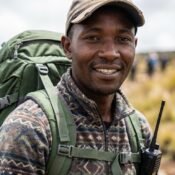
best time to climb kilimanjaro
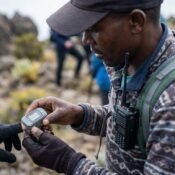
Kilimanjaro best operator