Beyonds Average Kilimanjaro

Safety in Tanzania

Kilimanjaro Safety

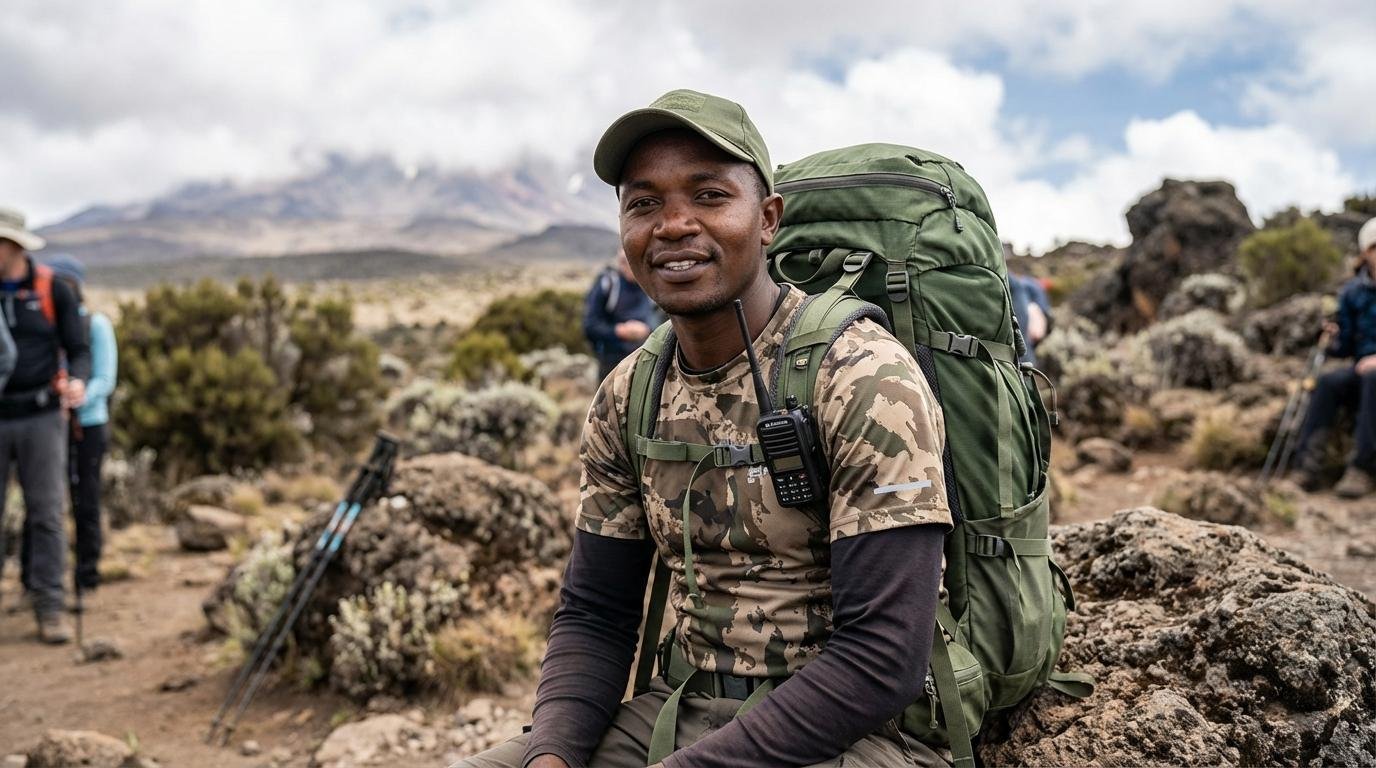
Safety on Kilimanjaro – Our Number one priority

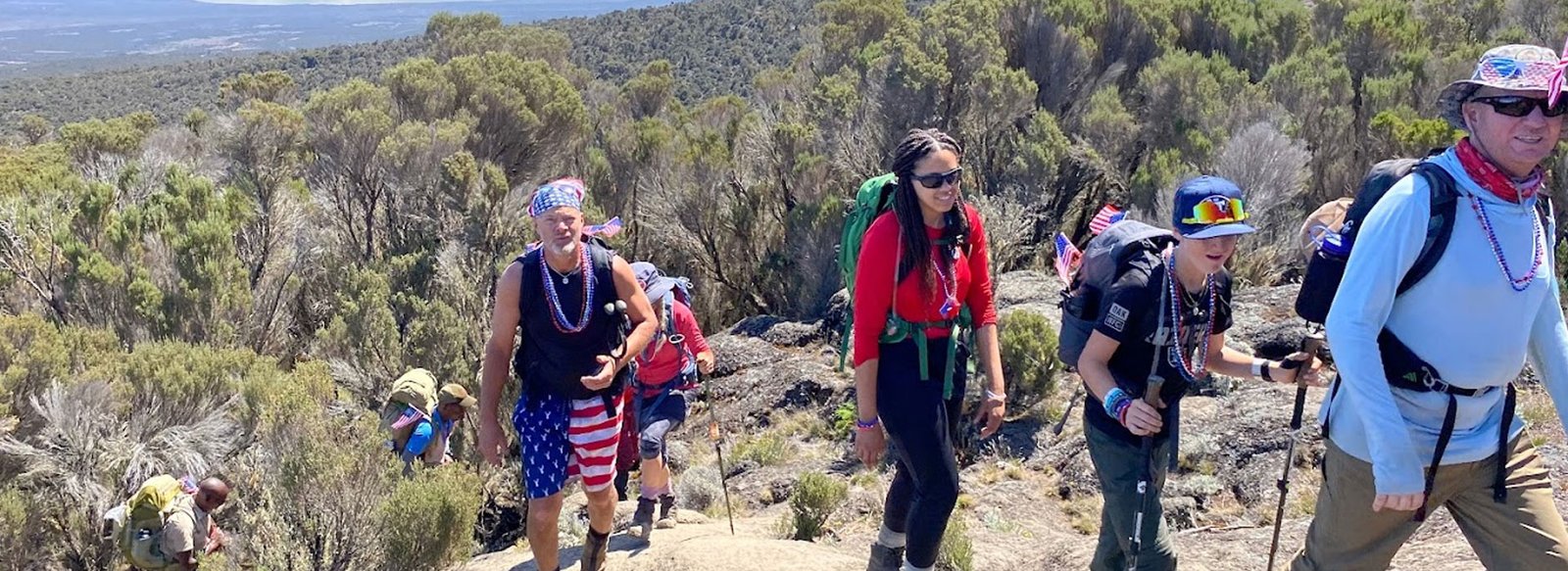
One of the Seven Summits, Kilimanjaro is the highest mountain in Africa, and at 19,341 ft, the summit falls into the “extreme altitude” mountaineering category. It’s one of the few mountains of this size that requires no technical skill to reach the summit.

It should not be underestimated. Trekking at altitude in a remote location can be dangerous, and every year it’s estimated over 1,000 people are evacuated from the mountain and sadly, some never return to their families.

Key factors affecting your safety on Kilimanjaro:

  • Altitude sickness and altitude-related complications
  • Remote location
  • Experience and training of your guides
  • The right equipment for dealing with an emergency
  • Robust monitoring and evacuation processes and protocols
Main scenic view - bamboo forest path
Florence cityscape at dusk
Japanese pagoda with cherry blossoms
Aerial view of a beach with cliffs
Venice canal scene at sunset
safety-1
safety-2
safety-5
safety-4
lemosho-route-1-banner

How We Work to Keep You Safe on Kilimanjaro

Staying safe on Kilimanjaro starts with understanding the risks and knowing how to mitigate them. We ask all our climbers to fill in a comprehensive medical questionnaire, and in the case of some pre-existing conditions, we may ask for confirmation from your doctor that you are fit to climb. Your guide will need to know any existing medications you are taking (including over the counter) and whether you are taking Diamox to help acclimatization.

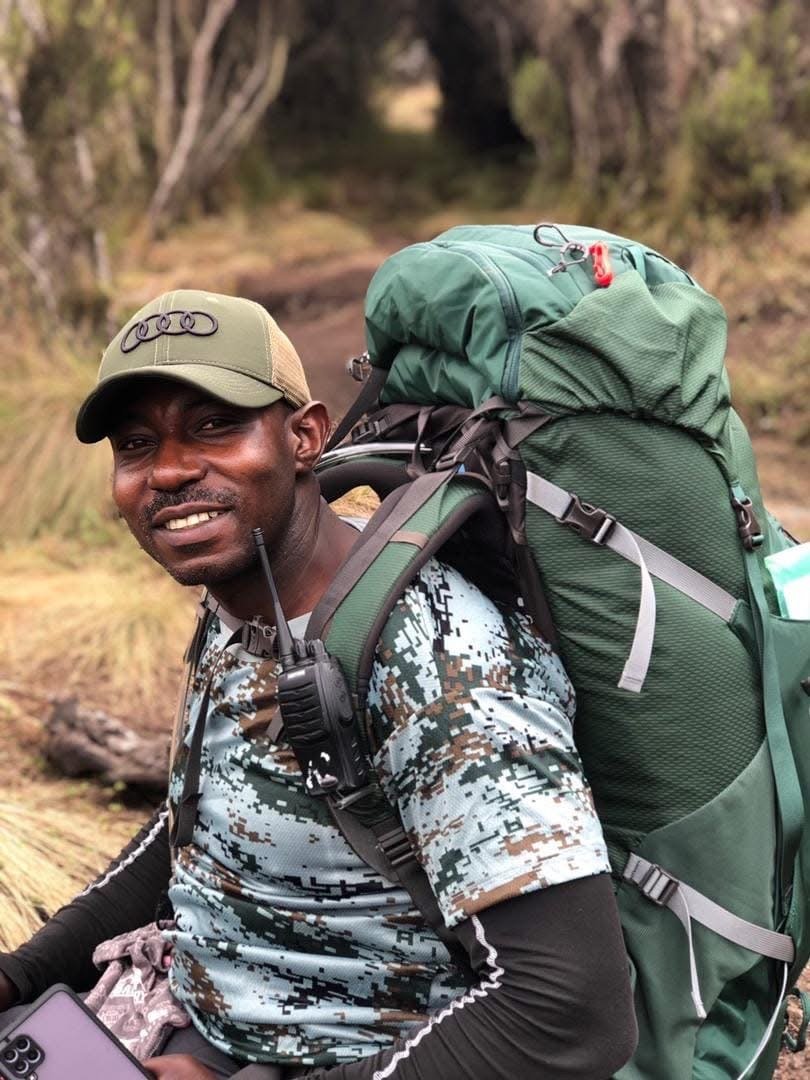
You need to know that your guide has the proper training to know how to detect the early signs of altitude sickness, and what to do about it. Our guides undergo Wilderness First Responder training, which teaches essential skills for managing medical conditions in remote locations.

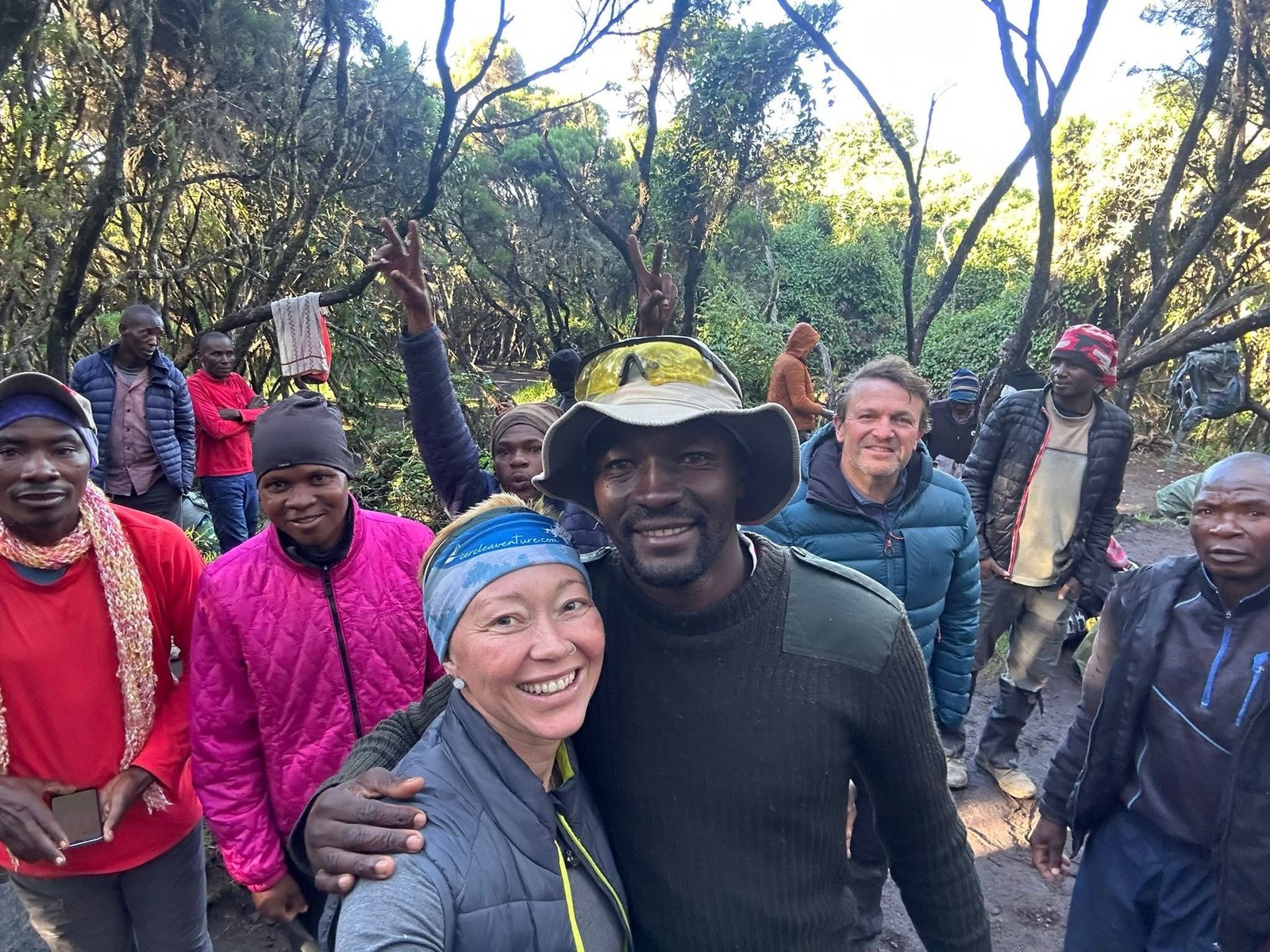
It’s our mission to ensure a safe and successful summit for everyone. We have a guide to climber ratio of 1 to 2, so for every two climbers, we have one trained mountain guide. This allows for more careful observation and evaluation of the group’s condition.

Communication with your guide is important. If you’re feeling under the weather, have a headache, nausea or any other symptom, you must tell your guide. While hiking, your guide will be keeping a lookout for any early signs of trouble:

In the event of an emergency, we use a search and rescue service that operates out of Moshi. After a distress call, a helicopter will be dispatched to the nearest landing point and the patient can be airlifted off the mountain and taken to the local hospital. Of note, in the event of adverse mountain weather, a helicopter may not be able to land, and if this is the case, a manual evacuation will need to take place via a stretcher provided by the National Park.

nature

Other Important Safety Aspects on Kilimanjaro

Don’t ignore symptoms. If you have a headache, loss of appetite, nausea or any unusual symptom, tell your guide immediately

Don’t try to “push through”. Mild signs of altitude sickness can often be successfully treated without evacuation, but ignoring them can be dangerous

  • Keep an eye on your team-mates. If you see someone struggling or behaving erratically, tell your guide


Travel Safe & Secure

Discover our offers for global coverage of your trip to make you travel without
worries and to be able to enjoy your trip

sketing

Travel Insurance

$ 50.00 / Trip

Coverage for loss of luggage or trip
cancellation without justification.

tour

Medical Insurance

$ 65.00 / Person

When you are sick abroad the costs can
be very high but we cover it.

tour

Full Coverage

$ 73.00 / Trip

Carefree travel with global coverage from
medical expenses.

Popular Destinations

Navigate the Globe with Confidence