
Kilimanjaro Countdown: 10 Vital Details Every Climber Needs Now!
Kilimanjaro Countdown: 10 Vital Details Every Climber Needs Now!
Climbing Mount Kilimanjaro, one of the world’s most iconic peaks, is an adventure of a lifetime that requires careful planning and preparation. As you embark on this challenging journey, understanding the vital details that can impact your success is essential. From choosing the right route and preparing for altitude sickness to packing the right gear and training effectively, there are numerous factors to consider. This article outlines ten critical details that every climber needs to know before setting foot on the mountain, ensuring a safe and rewarding experience as you make your way to the summit.
Essential Preparations for Climbing Kilimanjaro
Researching the Climb: What You Need to Know
Before you lace up those hiking boots and grab your trekking poles, hit the books (or the internet). Understanding the unique challenges of Kilimanjaro is crucial—it’s not just a stroll in the park. Familiarize yourself with the climate, wildlife, and local customs. And don’t forget to check out travel advisories! Whether you’re a seasoned climber or a weekend warrior, knowledge is your best friend up there—unless you’ve got a Sherpa, then they might take the prize.
Setting Realistic Goals and Timelines
Climbing Kilimanjaro is not a sprint; it’s more like a slow waltz, with occasional gasps for air. Most climbers take around 6-9 days to reach the summit, so be sure to allow yourself plenty of time to acclimatize and enjoy the views without feeling like you’re in a marathon. Set goals that celebrate your progress—like, “I will make it to the next camp without taking a selfie every 5 minutes.” Spoiler: it’s harder than it sounds!
Understanding the Routes: Which One is Right for You?
Overview of Popular Routes
There’s more than one way to reach the roof of Africa, and the choice can get overwhelming faster than a Tanzanian sunrise. The Machame Route is a crowd favorite for its stunning scenery and diverse landscapes. Then there’s the Lemosho Route, which is perfect for those who want a little more solitude. If you’re short on time, the Marangu Route will get you there quicker but with less scenic variety. Choose wisely—your legs will thank you!
Comparing Difficulty Levels of Each Route
Not all routes are created equal, and if you’re not careful, you might find yourself in over your head (or gasping for breath). The Machame and Lemosho routes are moderate to challenging—great for climbers who want a bit of a workout mixed with incredible views. On the flip side, the Marangu Route, while easier, is often dubbed the “Coca-Cola route” for its accessibility. But remember, just because it’s easier doesn’t mean you can skip leg day!
Altitude Sickness: Prevention and Management Tips
Signs and Symptoms of Altitude Sickness
Altitude sickness can sneak up on you like that one mosquito in your tent—irritating and unwelcome. Look out for headaches, nausea, fatigue, and dizziness. If you’re feeling like a deflated balloon, it’s time to pay attention. The higher you go, the less air there is, and your body might protest. Ignoring the signs is like ignoring your phone’s low battery warning—eventually, it’ll stop working.
Effective Prevention Strategies
Prevention is your best defense against altitude sickness. Start by climbing high, sleeping low—a simple mantra that’ll keep you on track. Hydrate like it’s your job (seriously, you can’t drink too much water), and snack on carbs to keep your energy up. Consider Diamox (acetazolamide) if you’re prone to altitude sickness, but always consult your doc first. Your goal? Enjoy the view, not the nausea!
Packing Essentials: What to Bring for Your Climb
Clothing and Gear Checklist
Packing for Kilimanjaro is like preparing for a high-stakes game of Tetris—everything needs to fit just right! Layering is key; bring moisture-wicking base layers, warm insulating layers, and a waterproof jacket. Don’t forget a warm hat and gloves, because it can get chilly up there during the night. And if you think those trekking poles are optional, think again—your knees will thank you at the end of the day.
Food and Hydration Essentials
While the scenery is breathtaking, your stomach will also need some TLC. Pack high-energy snacks like trail mix, granola bars, and jerky for those mid-hike munchies. Dehydration is not just a buzzkill; it can ruin your entire trip, so carry a water bladder or multiple water bottles to ensure you’re sipping steadily. Bonus tip: electrolytes can be your best friend when you’re sweating buckets and need to replenish those lost salts—just don’t mix them with tequila!
The Importance of Physical Training and Conditioning
Climbing Kilimanjaro isn’t just a casual stroll; it’s more like a high-altitude marathon with stunning views and the occasional existential crisis. To conquer this majestic beast, physical training and conditioning are your best friends. They help your body adapt to the rigors of altitude and ensure you’re not gasping for breath like a fish out of water when you hit the slopes.
Recommended Training Regimens
Start your training regimen at least 2-3 months before your departure. Focus on a mix of cardio, strength training, and flexibility exercises. Activities like hiking (preferably uphill), running, cycling, and swimming are excellent choices. Aim to hike at least once a week with a weighted backpack to mimic the conditions of Kilimanjaro. Don’t forget to include at least one long hike (6+ hours) per month to get your body accustomed to long durations of exercise. Sprinkle in some yoga or stretching for good measure—because who doesn’t want to channel their inner mountain goat?
Stamina Building Exercises
To build stamina, consider doing high-intensity interval training (HIIT) workouts. Alternate between short bursts of intense effort (like sprinting or stair climbing) followed by periods of lower-intensity recovery. Think of it as training for sprinting to the summit when you finally see the summit sign. Additionally, incorporate exercises like lunges, squats, and planks into your routine to strengthen your legs and core, which are pivotal for balancing on those rocky paths. Remember, the goal is to become a mountain-moving machine!
Acclimatization: Key Strategies for Success
Ah, acclimatization—the art of getting cozy with altitude. It’s not just about climbing higher; it’s about allowing your body to adjust accordingly and avoiding the dreaded altitude sickness. Embracing acclimatization means you can enjoy the views (and a few selfies) without feeling like you’re auditioning for a fainting scene in a melodrama.
The Role of Acclimatization in Climbing
Acclimatization is your body’s way of saying, “Hey, this low-oxygen environment is a bit much!” It involves several physiological changes—from increasing red blood cell production to optimizing your body’s oxygen usage. Briefly, it means you’ll have a fighting chance of summiting without turning into a human balloon. Climbing high and sleeping low is the golden rule to help your body acclimatize effectively, ensuring you’re not just a gasping tourist at 18,000 feet.
Techniques to Enhance Acclimatization
Start slow, and be patient—Rome wasn’t built in a day, and neither is your altitude tolerance. Choose a route with a gradual ascent and ample acclimatization days, as this will ease your body into the heights. Hydration is your secret weapon; drink plenty of water to keep your blood flowing smoother than a well-oiled machine. Eating carbohydrates can also help boost your energy levels and minimize the impact of altitude. And hey, don’t forget the power of slow, deep breaths—like a yoga session without the mats!
Choosing the Right Guide Service: What to Look For
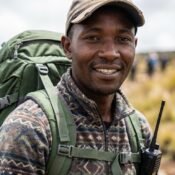
When it comes to climbing Kilimanjaro, your guide can either be your trusty sidekick or your unintentional nemesis. Choosing the right guide service is crucial for a safe and enjoyable journey up the mountain. With so many options out there, it’s essential to know what to look for—because nobody wants to end up on a wild goose chase led by a clueless guide!
Credentials and Experience of Guides
Look for guide services with experienced and certified guides who have extensive knowledge of the mountain. Check if they are registered with the Kilimanjaro National Park and have relevant first aid training. An experienced guide will not only keep you safe but also offer insights into the local culture and the environment—that’s bonus points for your Instagram captions! If possible, read reviews or ask for recommendations from those who have conquered Kilimanjaro before you; nothing beats a personal referral.
Group Size and Support Services Provided
A smaller group size usually means more personalized attention and support—ideal for a memorable experience rather than being just another face in the crowd. Many reputable guide services offer support teams, including porters and cooks, who will make your trek more enjoyable (and definitely more appetizing). Check what’s included in the package, like meals, gear rental, and emergency support. A well-rounded service means you can focus on the climb while they take care of the nitty-gritty details, like making sure your snacks are as plentiful as the beautiful views.
Safety Tips and Emergency Procedures on Kilimanjaro
Climbing Kilimanjaro is as much about adventure as it is about safety. Knowing what to do in emergencies can save your hide—or at least your sense of dignity. It’s best to be prepared, so you won’t end up on the wrong side of a safety story.
Emergency Contact Protocols
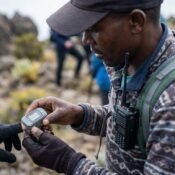
Before you set off, ensure you have a clear plan for emergency contact. Make sure your guide has a reliable means of communication, whether that be cell service, radios, or a satellite phone. Familiarize yourself with the established procedures for emergencies. It’s recommended to give your friends and family your itinerary so they can check in with the guide if they don’t hear from you. Remember, sharing is caring—even from thousands of miles away!
Handling Unexpected Situations on the Mountain
Unexpected situations can range from minor annoyances (like a pesky blister) to more serious concerns (like severe altitude sickness). Always listen to your body and communicate with your guide if something feels off. If you start to experience symptoms of altitude sickness, don’t hesitate to descend. Remember, it’s not just about reaching the summit; it’s about safely coming back down to tell the tale! And if things go drastically awry, your guide should have a plan for any medical emergencies. So feel free to channel your best survival instincts—the mountain may be beautiful, but it doesn’t care about your Instagram likes.As you prepare for your adventure on Mount Kilimanjaro, remember that thorough planning and knowledge are key to a successful climb. By following the vital details outlined in this article, you can enhance your experience and increase your chances of reaching the summit. Embrace the journey, stay safe, and enjoy the breathtaking beauty that awaits you on this magnificent mountain. Happy climbing!
FAQ
What is the best time to climb Kilimanjaro?
The best time to climb Kilimanjaro is during the dry months, typically from late June to October and from late December to February, when the weather is more stable and conditions are favorable for climbing.
Do I need to be an experienced climber to summit Kilimanjaro?
No, you do not need to be an experienced climber to summit Kilimanjaro. Many climbers successfully reach the summit with proper preparation, training, and guidance from experienced guides.
How long does it take to climb Kilimanjaro?
The duration of the climb varies depending on the chosen route, but most itineraries range from 5 to 9 days. Longer treks allow for better acclimatization and increase the chances of reaching the summit.
What are the accommodation options during the climb?
Accommodation options during the climb typically include tents provided by the guiding service. Some routes also offer the option of staying in huts or lodges at certain points along the trek.
All Categories
Recent Posts
best time to climb kilimanjaro
Kilimanjaro best operator